Finding the right palestine books for kids means balancing story, sensitivity, and age fit. The best picks can introduce place, family, food, memory, and culture in ways children can understand.
Below, we’ve focused on books that support meaningful conversations and make it easier to choose titles for reading aloud, gifting, classroom use, or heritage learning.
Best 10 Palestine Books for Kids Picks for 2026
A Bedtime Story of Palestine and Family Memory

- Autobiographical picture book about a Palestinian father and daughters.
- Uses rich sensory details to bring Jerusalem to life.
- Strong read-aloud for families who value heritage stories.
Best For: Families wanting a heartfelt Palestinian bedtime story
A Palestinian Child’s Search for Home

- Follows a girl who can’t find Palestine on a school map.
- Family stories help explain home, history, and belonging.
- Includes back matter with key terms and historical moments.
Best For: Young children learning about Palestine through a gentle family story
A Journey to Palestine Through a Child’s Name

- Lyrical story about a child learning what her name means.
- Celebrates Palestinian heritage, homeland, and return.
- Features dazzling illustrations and an imaginative feel.
Best For: Kids who like poetic picture books about identity and culture
A Celebration of Palestinian Heritage

- Nonfiction overview of Palestinian culture, food, music, and literature.
- Covers symbols like tatreez and traditions like dabke.
- Richly illustrated and accessible for young readers.
Best For: Educators and families wanting a child-friendly cultural overview
These Olive Trees

- Set in 1967 Nablus with a Palestinian family at the center.
- Focuses on olive trees, harvest, and family stories.
- Picture book format with a 4–10 reading age.
Best For: Families and classrooms seeking a lyrical story about Palestinian identity and home
Lana Makes Purple Pizza
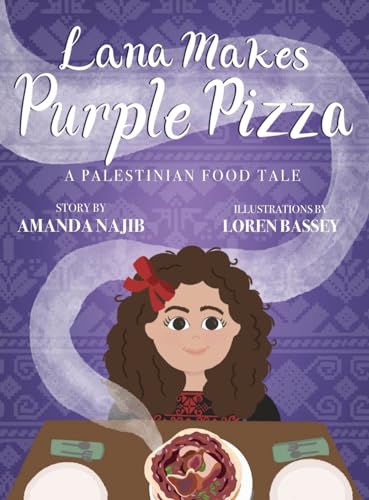
- Follows Lana and her mother making the Palestinian dish Msakhan.
- Blends cooking, heritage, and family storytelling.
- Award-winning title aimed at ages 2–12.
Best For: Parents and educators introducing Palestinian culture through food and family
Story of the Stolen Homes

- A family visits an exhibit about stolen homes in Palestine.
- Guided by Reem through displays and stories.
- Ages 3–7 with a gentle, discussion-friendly format.
Best For: Young readers and families seeking an accessible museum-style introduction
A Palestinian Story

- Semi-autobiographical family history in Palestine
- 32-page picture book for ages 3 to 8
- Centers on hope, memory, and return
Best For: Families seeking a tender read-aloud about Palestinian heritage
Palestine Activity Book

- Coloring and sticker activities for children
- Introduces Palestine through play and interaction
- All proceeds support rebuilding civilian lives
Best For: Children ages 5 to 8 who enjoy hands-on learning
Counting up the Olive Tree

- Rhythmic counting book with a Palestine theme
- Features Palestinian football players working together
- 48 pages with a cooperative story
Best For: Early learners who want counting practice and a positive story
Bedtime Memory Pick – A Bedtime Story of Palestine and Family Memory
If you’re looking for palestine books for kids that feel personal and emotionally rich, Homeland: My Father Dreams of Palestine is a moving picture book about diaspora, family memory, and the stories that keep a homeland alive. It uses a father’s bedtime storytelling to introduce children to the sights, sounds, and feelings of Jerusalem and Palestine in a way that is gentle and vivid.
Best For: Families seeking a heartfelt read-aloud about Palestinian identity, homeland, and intergenerational storytelling.
Pros:
- Heartfelt autobiographical story centered on a Palestinian family.
- Beautifully evokes the Old City of Jerusalem through sensory details.
- Works well as a bedtime read-aloud with a strong family connection.
- Includes a universal message for immigrant and refugee families, too.
Cons:
- Focuses more on memory and longing than on straightforward factual explanation.
- May feel emotionally heavy for readers wanting a lighter introduction.
This is a strong choice if you want a children’s book that blends tenderness, heritage, and hope. It’s especially appealing for families who value stories passed down across generations.
Map & Belonging Pick – A Palestinian Child’s Search for Home
For shoppers browsing palestine books for kids, A Map for Falasteen: A Palestinian Child’s Search for Home offers a thoughtful, age-appropriate way to talk about identity and belonging. The story follows a young girl who can’t find Palestine on a school map, then looks to her family’s stories to understand what home means.
Best For: Young children and families who want a gentle story about Palestine, maps, and belonging.
Pros:
- Simple, child-centered premise that is easy for young readers to follow.
- Explores a meaningful question about whether a place can exist if it is missing from a map.
- Family voices help explain home, history, and resilience.
- Includes thoughtful back matter with key terms and historical moments.
Cons:
- Best suited to readers who are ready for a reflective, discussion-based story.
- The historical context may prompt adult guidance for younger kids.
This is a gentle and thoughtful addition to a child’s library if you want a story that opens the door to family conversation. Its map-based premise makes it especially useful for home, classroom, or library reading.
Identity & Name Pick – A Journey to Palestine Through a Child’s Name
If your shortlist of palestine books for kids needs a lyrical, imaginative option, Baba, What Does My Name Mean? A Journey to Palestine is a warm pick. It follows a young Palestinian refugee who learns about her name through an adventurous journey that celebrates homeland, cultural heritage, and the desire to return.
Best For: Children who enjoy lyrical picture books about names, identity, and Palestinian heritage.
Pros:
- Lyrical storytelling that makes the reading experience feel dreamlike and memorable.
- Highlights a child’s curiosity about her name and identity.
- Celebrates Palestinian culture, homeland, and determination to return.
- Dazzling illustrations support the imaginative journey.
Cons:
- The story leans poetic, so it may not suit readers wanting a direct informational text.
- More reflective than practical for teaching basic facts about Palestine.
This book stands out for blending personal identity with cultural pride in a format that feels gentle and expressive. It’s a good fit when you want a story that is as much about meaning as it is about place.
Nonfiction Culture Pick – A Celebration of Palestinian Heritage
When you want palestine books for kids that are more educational, We Are Palestinian: A Celebration of Culture and Tradition is a strong nonfiction choice. This richly illustrated book introduces children to Palestinian culture through food, music, literature, symbols, old cities, religion, and more.
Best For: Parents, educators, and caregivers looking for a child-friendly nonfiction introduction to Palestinian culture.
Pros:
- Wide-ranging coverage of Palestinian heritage, from tatreez to dabke.
- Accessible spreads make the information easy for young readers to absorb.
- Combines anecdotes, facts, and quotes in a visually engaging format.
- Useful for home, classroom, or library settings.
Cons:
- It is nonfiction, so it is less story-driven than a picture book.
- Best suited to readers ready for a more informative, reference-style experience.
This title is a standout if your goal is to teach children about Palestinian heritage in a broad, celebratory way. It offers both visual appeal and substance, making it especially practical for learning-focused readers.
Land, memory, and resilience – These Olive Trees
If you’re looking for Palestine books for kids that connect family history with the land itself, These Olive Trees is a strong picture book choice. It follows Oraib in 1967 Nablus as she learns why the olive trees outside her refugee camp matter so deeply to her family, making it a thoughtful pick for readers who benefit from stories about heritage, displacement, and hope.
Best For: Families and classrooms wanting a lyrical, age-appropriate story about Palestinian identity, memory, and the meaning of olive trees.
Pros:
- Grounded in a Palestinian family’s connection to the land and olive harvest traditions.
- Uses a child’s perspective to make a serious historical setting more accessible.
- Includes themes of hope, legacy, and care for home.
- Listed reading age of 4–10 makes it workable for a wide picture-book audience.
Cons:
- The story’s wartime context may feel heavy for very sensitive readers.
- At 40 pages, it is brief and may leave children wanting more background.
Overall, this book stands out for tying personal memory to a symbol that many children can grasp quickly. It’s a good fit if you want a moving introduction to Palestinian life that emphasizes continuity, care, and possibility.
Food, culture, and family tradition – Lana Makes Purple Pizza
For shoppers comparing Palestine books for kids, Lana Makes Purple Pizza: A Palestinian Food Tale offers a hands-on way to explore culture through cooking. The book follows Lana and her mother as they make Msakhan, blending food, family, and Palestinian heritage into a story that is designed to be approachable for young children.
Best For: Parents, teachers, and young readers who want a food-centered introduction to Palestinian culture and identity.
Pros:
- Centers Palestinian cuisine and the family tradition behind a traditional dish.
- Award-winning story with a clear cultural and educational angle.
- Targets ages 2–12, so it can suit toddlers through elementary readers.
- Uses cooking as an easy entry point for conversations about heritage and history.
Cons:
- The description is broad, so buyers may want more detail on the exact story arc.
- Families looking for a history-heavy title may find the food focus more prominent than politics.
This is a practical choice if you want a colorful, everyday way to talk about Palestinian identity with children. Its emphasis on food, family, and tradition makes it especially useful for shared reading and classroom discussion.
Exhibit-based history for young readers – Story of the Stolen Homes
Story of the Stolen Homes: An Unforgettable Journey to Palestine (Eldar & Elnur, 1)
Check Price On AmazonIf you want Palestine books for kids that introduce history through a guided visit, Story of the Stolen Homes: An Unforgettable Journey to Palestine is a strong option. The book follows twins Eldar and Elnur, their family, and cousin Kama as they explore an exhibition called “The Story of the Stolen Homes,” with Reem leading them through displays and stories about Palestine.
Best For: Young readers and families who prefer an exploratory, museum-style introduction to Palestinian stories and solidarity.
Pros:
- Uses an exhibition setting to present history and culture in a guided way.
- Features a family outing, which can make the topic feel approachable.
- Reading age of 3–7 is suitable for early listeners and early readers.
- Focuses on human solidarity and resilience rather than a dense historical treatment.
Cons:
- Publication date listed as 2026, so availability may be a consideration.
- The premise is more interpretive than story-driven, which may not suit children who want a traditional plot.
As a roundup pick, this title looks best for families who want discussion-friendly content with a gentle, curated structure. Its exhibition format may help young children engage with Palestinian history without feeling overwhelmed.
Gentle Storytime Pick – A Palestinian Story
If you’re looking for palestine books for kids that introduce family history with warmth and hope, A Palestinian Story is a gentle choice for ages 3 to 8. This 32-page picture book shares a semi-autobiographical look at the author’s Palestinian family history and centers on resilience, memory, and the dream of return.
Best For: Families wanting an age-appropriate storybook that opens space for conversations about Palestinian heritage and hope.
Pros:
- Written for young readers ages 3 to 8.
- Short 32-page format is well suited to read-aloud time.
- Focuses on family history and a hopeful message for the next generation.
Cons:
- More reflective than interactive, so it may not hold attention as well for very active readers.
- Its themes may prompt bigger conversations with older adults present.
For parents who want a simple, heartfelt introduction to Palestinian identity, this book stands out as a thoughtful storytime option. Its brevity and clear focus make it easy to share with younger children.
Interactive Learning Pick – Palestine Activity Book
For palestine books for kids that lean into hands-on learning, Palestine Activity Book offers color, stickers, and simple activities in a compact 16-page format. It is designed to help children understand the importance and plight of the people of Palestine through interaction and play, making it a practical pick for ages 5 to 8.
Best For: Kids who learn best through coloring, stickers, and guided activities.
Pros:
- Includes coloring and activity-based engagement.
- Introduces children to Palestine through play.
- All proceeds go toward rebuilding the lives of civilians in Palestine.
- Small, easy-to-handle format for younger children.
Cons:
- Only 16 pages, so it may be a quick read for some families.
- Best suited to children comfortable with basic guided activities.
This is a strong choice if you want a more participatory book rather than a straight narrative. The short length and activity format make it especially useful for short attention spans.
Counting Fun Pick – Counting up the Olive Tree
If you’re shopping for palestine books for kids that combine early math with a meaningful theme, Counting up the Olive Tree: A Palestine Number Book is a smart option. This 48-page book uses a rhythmic adventure about Palestinian football players working together to save an olive tree, while helping children practice counting numbers.
Best For: Early learners who want a counting book with a cooperative story and Palestinian setting.
Pros:
- Combines counting practice with storytelling.
- Features boys and girls working together in a shared mission.
- Longer 48-page format gives more room for the story.
- Created as a follow-up to P Is for Palestine.
Cons:
- Focused on numbers, so it is less suitable if you want a broader cultural overview.
- May overlap with other counting books if your child already has many number titles.
Overall, this is a practical pick for families who want a theme-driven counting book with a cooperative message. It works well as both an early learning tool and a conversation starter.
How We Picked These Palestine Books for Kids
We looked for books that feel approachable for children while still offering authentic cultural context. That means clear language, thoughtful illustrations, and themes such as family, home, food, names, traditions, and belonging. We also favored a mix of formats, including storybooks, concept books, and activity-based titles, so families can choose based on reading level and purpose.
Quick Comparison
For read-aloud storytime, choose the most narrative-driven titles. For identity and cultural learning, look for books centered on names, traditions, and everyday life. For younger children, counting and activity books can be the easiest entry point. If you want a broader overview of Palestinian life and heritage, culture-focused books are often the most versatile.
Key Buying Factors for Palestine Books for Kids
Age and Reading Level
Some Palestine Books for Kids work best as read-alouds for preschool and early elementary readers, while others have more text or nuanced themes that suit older children. Check whether the book is more visual, narrative, or informational before buying.
Purpose
Decide whether you want a book for bedtime reading, classroom discussion, cultural education, or a gift. A story about home and family serves a different purpose than an activity book or a counting title.
Cultural Focus
Look for titles that emphasize lived experience and cultural details in a respectful, child-friendly way. The best choices help children connect with language, food, place, tradition, and identity without feeling overly dense or abstract.
Format and Reusability
Board-book style concept books, interactive activity books, and repeat-read stories can offer strong value because kids return to them often. Families may prefer a mix of narrative and educational formats to keep reading fresh.
Who Should Buy Which Palestine Books for Kids?
If you’re shopping for toddlers or early readers, choose simpler concept books, counting books, or activity titles. For school-age children, longer stories and culture-rich picture books often create the best conversation starters. Educators may want a balanced selection that includes heritage, daily life, and identity themes. For families seeking connection to ancestry or language, books centered on names, home, and Palestinian traditions are especially meaningful.
In short, the strongest Palestine Books for Kids are the ones that match a child’s age, attention span, and reason for reading—whether that’s learning, bonding, or simply enjoying a beautifully told story.