Choosing childrens books about palestine can feel overwhelming when you want stories that are age-appropriate, accurate, and meaningful. The best picks help kids learn about identity, belonging, family, and everyday life through accessible storytelling.
This roundup focuses on books that can work for home libraries, classrooms, and gift-giving, with an emphasis on culture, tradition, folktales, food, and gentle introductions to Palestine.
Best 10 Childrens Books About Palestine Picks for 2026
Storytime Memory Pick
Homeland: My Father Dreams of Palestine

- Autobiographical-feeling family story
- Sensory memories of Jerusalem and home
- Great bedtime read-aloud with heart
Best For: Families seeking a gentle, emotional story about Palestinian heritage
Map-Sense Starter
A Map for Falasteen: A Palestinian Child's Search for Home

- Child struggles to find Palestine on a map
- Family stories help explain home and history
- Includes back matter with key terms
Best For: Young readers and caregivers starting conversations about Palestinian identity
Name-and-Roots Favorite
Baba, What Does My Name Mean? A Journey to Palestine

- Name question launches a heritage story
- Lyrical journey through Palestinian homeland
- Focuses on culture and the wish to return
Best For: Readers who like poetic picture books about identity and belonging
Culture Guide Pick
We Are Palestinian: A Celebration of Culture and Tradition

- Nonfiction overview of Palestinian culture
- Covers food, music, literature, and symbols
- Rich illustrations and accessible facts
Best For: Families and educators wanting a broad cultural introduction
Heritage Picture Book

- Set in 1967 Nablus with a focus on family and land
- Uses olive harvests and family stories to show heritage
- Picture-book format for ages 4 to 10
Best For: Families and classrooms seeking a gentle introduction to Palestinian heritage
Cultural Food Tale
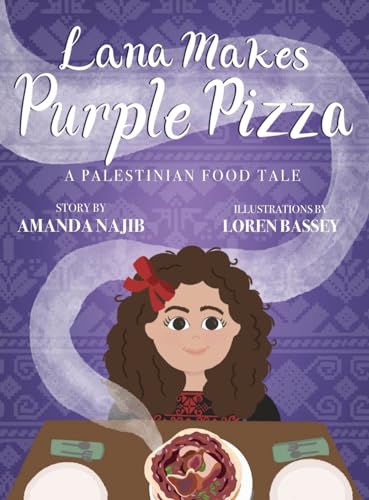
- Follows Lana and her mother making Msakhan
- Ties food to Palestinian heritage and identity
- Award-winning story for children ages 2 to 12
Best For: Parents and educators wanting a food-centered Palestinian heritage story
Alphabet Heritage Book

- Alphabet format introduces Palestinian culture one letter at a time
- Includes language, food, dress, and place-based references
- Aimed at preschool through grade 3 readers
Best For: Preschool and early elementary readers needing an easy cultural introduction
Classic Folktale
Tunjur! Tunjur! Tunjur!: A Palestinian Folktale
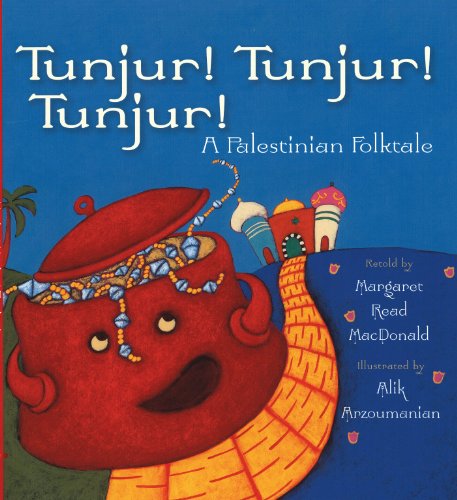
- Palestinian folktale retelling
- 32-page read-aloud length
- Ages 3 to 8
Best For: preschool and early elementary read-alouds
Family History

- Semi-autobiographical family account
- Links to the Nakba of 1948
- Hopeful 32-page picture book
Best For: families wanting a gentle, personal introduction
Alphabet Guide
An Abc of Palestine: Kids & Grown Ups

- 72-page alphabet-based primer
- Multilingual and color-illustrated
- Covers culture, history, and identity
Best For: older kids and families wanting a deeper primer
Storytime Memory Pick – Homeland: My Father Dreams of Palestine
If you’re comparing childrens books about palestine for a warm, reflective read-aloud, this picture book stands out for its intimate family framing. It centers a father sharing memories of Jerusalem and Palestinian home life with his daughters, making it a gentle way to introduce heritage, diaspora, and the feeling of longing for a homeland.
Best For: Families wanting a tender father-daughter read-aloud about Palestinian identity, memory, and home.
Pros:
- Based on a Palestinian family’s memories, with an autobiographical feel.
- Highlights sensory details of the Old City of Jerusalem in a vivid, child-friendly way.
- Works well as a bedtime story and intergenerational conversation starter.
- Positions Palestine through love, family, and remembered place.
Cons:
- More lyrical and reflective than fact-heavy.
- Best suited to readers who want a personal story rather than a broad overview.
This is a strong pick if you want a moving picture book that emphasizes family storytelling over classroom-style explanation. It offers a heartfelt, human portrait of Palestine that can resonate with children and adults alike.
Map-Sense Starter – A Map for Falasteen: A Palestinian Child's Search for Home
For shoppers seeking childrens books about palestine that address identity in a simple, accessible way, this picture book is a thoughtful choice. It follows a young girl in diaspora who cannot find Palestine on a school map, then turns to her family for stories that help her understand history, home, and belonging.
Best For: Young children and caregivers looking for a gentle story about maps, identity, and Palestinian home life.
Pros:
- Uses a relatable school assignment to open the conversation.
- Includes family perspectives from grandfather, grandmother, and Mama.
- Features thoughtful back matter with key terms and historical moments.
- Recognized as a Kirkus Best Book of 2024 and a Booklist Editors’ Choice 2024.
Cons:
- Centered on a child’s confusion, so it may feel subtle rather than expansive.
- Those wanting a cultural survey will need a more nonfiction-focused title.
This book is especially useful if you want a starting point for explaining how home can exist beyond a map. Its clear emotional hook and helpful back matter make it practical for home or classroom reading.
Name-and-Roots Favorite – Baba, What Does My Name Mean? A Journey to Palestine
If you want childrens books about palestine that connect personal identity to heritage, this lyrical title is a compelling option. It follows Saamidah, a young Palestinian refugee, as a question about her name leads her and her baba into a vivid journey through her homeland and cultural roots.
Best For: Children who enjoy poetic stories about names, family identity, and a connection to Palestine.
Pros:
- Begins with a relatable question about a child’s name.
- Frames Palestine through a lyrical, imaginative journey.
- Highlights cultural heritage and the hope of return.
- Illustrations are described as dazzling and visually engaging.
Cons:
- Information is more poetic than explanatory.
- Readers looking for nonfiction context will want a companion title.
This is a good choice if you’re after a story that feels emotional and symbolic without losing its grounding in Palestinian experience. It’s especially appealing when you want a read-aloud that emphasizes meaning, memory, and belonging.
Culture Guide Pick – We Are Palestinian: A Celebration of Culture and Tradition
Among childrens books about palestine, this nonfiction title is the best fit when you want a broader cultural overview. It presents Palestinian food, music, literature, symbols, religion, cities, and traditions in an accessible, visually rich format for young readers.
Best For: Parents, educators, and caregivers who want an illustrated nonfiction introduction to Palestinian culture and tradition.
Pros:
- Covers a wide range of cultural topics, from tatreez to dabke to knafeh.
- Includes anecdotes, facts, and quotes on each spread.
- Beautifully illustrated and designed to be visually engaging.
- Explicitly aimed at helping young readers discover more about Palestine.
Cons:
- More encyclopedia-like than story-driven.
- Best for readers who want cultural learning, not a narrative picture book.
This is the strongest all-around reference-style choice in the group. If you want a kid-friendly resource that celebrates Palestinian heritage through many entry points, this book offers the widest range of material.
Heritage Picture Book – These Olive Trees
If you’re looking for childrens books about palestine that feel lyrical, grounded, and emotionally resonant, These Olive Trees is a strong pick. It follows Oraib in 1967 Nablus as she learns about her family’s ties to the land through olive harvests, family stories, and the promise of carrying that legacy forward.
Best For: Families and classrooms wanting a gentle, picture-book introduction to Palestinian heritage, displacement, and hope for ages 4 to 10.
Pros:
- Centers the olive tree as a clear symbol of family connection to the land.
- Tells a child-friendly story of memory, loss, and continuity.
- Written and illustrated by debut author-illustrator Aya Ghanameh.
- Suitable for a wide reading range, from preschoolers through early elementary readers.
Cons:
- Its reflective tone may be heavier than some lighter storytime books.
- Readers wanting a broad survey of Palestine may find it narrowly focused on one family experience.
Overall, this is a thoughtful choice if you want a visually rich book that introduces Palestinian identity through place, family memory, and resilience. It works especially well as a discussion starter about heritage and home.
Cultural Food Tale – Lana Makes Purple Pizza
For shoppers browsing childrens books about palestine, Lana Makes Purple Pizza: A Palestinian Food Tale offers a welcoming mix of cooking, culture, and identity. The story follows Lana and her mother as they make Msakhan, while connecting food to Palestinian heritage and family history.
Best For: Parents, teachers, and gift buyers looking for a culturally focused story for children ages 2 to 12 that uses food to introduce Palestinian traditions and identity.
Pros:
- Connects Palestinian culture to a familiar, engaging kitchen activity.
- Highlights tradition, heritage, and the importance of preserving identity.
- Described as a 2024 Palestine Book Award-winning story.
- Broad age appeal makes it flexible for home or school use.
Cons:
- The presentation is strongly culture-and-message focused, which may be less appealing for readers wanting a more action-driven plot.
- Its broad 2-12 age range may mean younger and older children engage with it differently.
This is a practical choice if you want a child-friendly introduction to Palestinian life through food, family, and storytelling. It stands out as both an identity book and a conversation starter about traditions passed down at home.
Alphabet Heritage Book – P Is for Palestine
If you want childrens books about palestine that introduce culture in an easy, alphabet-based format, P Is for Palestine: A Palestine Alphabet Book is an accessible option. Each letter highlights a word, place, or tradition tied to Palestinian heritage, from Arabic and thob to Quds and za’atar.
Best For: Preschool and early elementary readers, plus adults looking for a simple way to introduce Palestinian language, traditions, and symbols.
Pros:
- Alphabet structure makes the content approachable for young children.
- Covers a wide range of cultural references, including language, food, dress, and place.
- Sweet rhymes and illustrations support read-aloud use.
- Reading age and grade level are clearly aimed at preschool through grade 3.
Cons:
- The alphabet format may feel more like an overview than a story with a single narrative arc.
- Some cultural references may require adult explanation for younger readers.
This book works well as a first introduction to Palestine because it is structured, visual, and easy to use in short reading sessions. It is especially useful for families and educators who want a broad cultural sampler rather than a single-character storyline.
Classic Folktale – Tunjur! Tunjur! Tunjur!: A Palestinian Folktale
If you’re looking for childrens books about palestine that introduce culture through a traditional story, this 32-page folktale is a simple place to start. It retells a Palestinian story about a naughty pot-child who wanders off with things that do not belong to her, making it a straightforward read for young children.
Best For: Preschool and early elementary readers ages 3 to 8 who enjoy short read-aloud folktales.
Pros:
- Based on a Palestinian folktale, giving the book clear cultural roots.
- Short 32-page format works well for quick read-aloud sessions.
- Reading age listed as 3 to 8 years.
- Simple moral lesson about consequences makes it easy to discuss.
Cons:
- Focuses on a folktale rather than broader history or contemporary life.
- Very brief, so it won’t satisfy older kids needing more detail.
Overall, this is a good pick if you want a child-friendly introduction to Palestinian storytelling rather than an informational overview. Its strength is its simplicity: a classic tale, a clear lesson, and an age-appropriate length.
Family History – A Palestinian Story
For shoppers browsing childrens books about palestine, this 32-page title offers a semi-autobiographical family story tied to Palestine and the Nakba of 1948. It is written as a message of hope for the next generation, making it a more reflective option for families who want a personal, history-linked picture book.
Best For: Young children ages 3 to 8 and caregivers who want a hopeful, family-centered introduction to Palestinian history.
Pros:
- Semi-autobiographical approach adds a personal family perspective.
- Connects the story to the Nakba of 1948 in age-sized picture-book form.
- Promotes hope for the next generation.
- Short 32-page length is manageable for young listeners.
Cons:
- Publication details indicate a 2025 release, so availability may be limited.
- Text is concise, so it may only introduce the topic at a basic level.
This book stands out for pairing family history with a hopeful message, which can make difficult history feel more accessible to young readers. It is best chosen when you want a gentle, narrative-driven entry point rather than a broad overview.
Alphabet Guide – An Abc of Palestine: Kids & Grown Ups
If you want childrens books about palestine that go beyond a storybook format, this 72-page alphabet title is designed as an educational journey for kids and grown ups. It moves through letters and topics tied to Palestinian history, culture, identity, and solidarity, with multilingual text and color illustrations.
Best For: Older kids, families, and adults who want a more detailed, discussion-friendly introduction to Palestine.
Pros:
- Alphabet structure makes it easy to browse and discuss specific topics.
- Covers history, culture, religion, and political themes in one volume.
- Includes multiple languages, broadening accessibility.
- 72 pages with a color interior give it more substance than a standard picture book.
Cons:
- Heavier subject matter may be more suitable for older children or guided reading.
- The topical format is less like a narrative story and more like a reference-style primer.
This is the most comprehensive option in the group, especially if you want a book that can spark conversation across age groups. Its mix of alphabet learning and cultural education makes it useful for families seeking a deeper introduction to Palestine.
How We Picked the Best Childrens Books About Palestine
We focused on Childrens Books About Palestine that feel inviting for young readers while still offering substance. Selection factors included age suitability, readability, cultural authenticity, educational value, and the ability to spark discussion without becoming too heavy or abstract for kids.
We also looked for a balanced mix of formats, including picture books, alphabet books, folktales, and culturally focused stories. That variety matters because children learn in different ways, and some families want a narrative book while others prefer a concept book or a read-aloud with visual detail.
Quick Comparison: What Each Type Offers
Some books center on family and memory, while others highlight language, food, traditions, or identity. If you want a softer entry point, choose a story built around home, naming, or daily life. If you want a more educational option, an alphabet or culture-based title can be easier to revisit in short sessions.
For classroom use, books with broad cultural themes often work best because they support discussion across ages. For bedtime reading, folktales and lyrical picture books usually keep children engaged without needing much background knowledge.
Key Buying Factors for Childrens Books About Palestine
Age Range and Reading Level
Check whether the book is meant for preschoolers, early readers, or older elementary students. Younger children usually respond best to simple language, repetition, and strong illustrations. Older kids can handle more context, symbolism, and reflective themes.
Cultural Focus
Some Childrens Books About Palestine emphasize heritage and celebration, while others explore displacement, memory, or family history. Decide whether you want a joyful cultural introduction, a more historical perspective, or a book that does both.
Use Case
For homes, choose books children will want to reread. For classrooms and libraries, look for titles that invite group conversation and pair well with maps, art, music, or food activities. Gift buyers may prefer titles with broad appeal and beautiful illustration styles.
Who Should Buy Which Childrens Books About Palestine?
If you want a gentle first book, look for titles centered on identity, family, and everyday traditions. If you are buying for a classroom, prioritize books that open the door to discussion about geography, heritage, and language. If your child enjoys stories, folktales and narrative picture books are the most engaging options.
Families seeking a fuller mini-library should consider mixing a storybook, a culture-focused title, and an alphabet or concept book. That combination gives children multiple entry points into Palestine and keeps the reading experience fresh over time.