Palestinian poetry offers some of the most urgent and moving writing of our time, blending memory, resistance, grief, and hope in unforgettable ways.
This roundup highlights standout collections for readers who want powerful voices, meaningful context, and books that belong on both personal and gift lists.
Best 10 Palestine Poetry Books Picks for 2026
Refaat Alareer Collection
If I Must Die: Poetry and Prose

- Includes the title poem plus other poetry.
- Adds prose on teaching, politics, and family.
- Curated as a tribute to Alareer’s life and voice.
Best For: Readers wanting a moving, wide-ranging Palestinian voice
Gaza Debut Poetry
Things You May Find Hidden in My Ear

- Award-winning debut from Mosab Abu Toha.
- Contrasts siege, rubble, and natural beauty.
- Includes an interview on life in Gaza and poetry.
Best For: Readers wanting acclaimed contemporary Gaza poetry
Darwish Landmark Edition

- Bilingual Arabic-English edition.
- Combines two full-length volumes plus “A State of Siege.”
- Shows Darwish’s range across love, exile, and lyric forms.
Best For: Readers seeking a major bilingual Mahmoud Darwish collection
Contemporary Palestinian Anthology
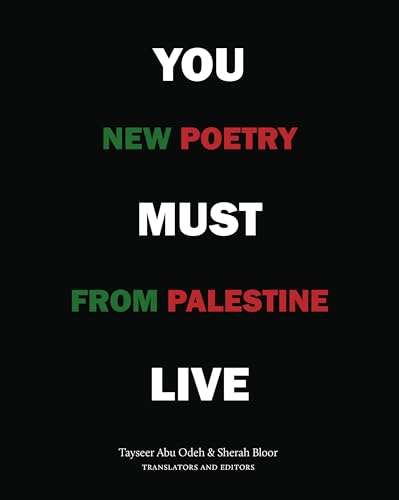
- Bilingual anthology of recent poems from Gaza and the West Bank.
- Includes a wide range of tones and styles.
- Focuses on witness, love, elegy, and the future.
Best For: Readers wanting a recent anthology of Palestinian voices
Anthology Focus
The Tent Generations: Palestinian Poems

- Wide-ranging anthology of Palestinian voices
- Centers displacement, memory, and identity
- English-language edition with 167 pages
Best For: Readers seeking a multi-voice introduction to Palestinian poetry
Resistance Classic
Enemy of the Sun: Poetry of Palestinian Resistance

- Classic anthology of Palestinian resistance poetry
- Updated edition with new translations and foreword
- Links Palestinian poetry with global solidarity movements
Best For: Readers interested in politically engaged Palestinian poetry
Reflective Contemporary Pick
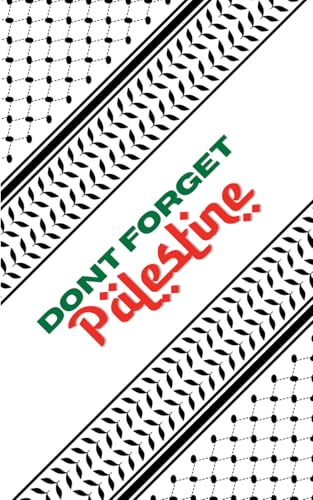
- Modern collection of poems and reflections
- Centers grief, justice, faith, and hope
- Compact 161-page independent edition
Best For: Readers wanting intimate, contemporary Palestinian poetry
Current Gaza-focused anthology
Out of Gaza: New Palestinian Poetry

- Short 72-page anthology of contemporary Palestinian voices.
- Poems address rubble, displacement, bombardment, and resilience.
- A percentage of sales supports the Palestine Solidarity Campaign.
Best For: Readers who want a brief, timely anthology tied to the Gaza war
Large contemporary anthology
Heaven Looks Like Us: Palestinian Poetry

- 368-page anthology with a wide range of Palestinian voices.
- Includes political, queer, feminist, and eco-poetry themes.
- Brings together established and emerging contributors across generations.
Best For: Readers who want the broadest, most thematic recent anthology
Bilingual resistance anthology
A Blade of Grass: New Palestinian Poetry
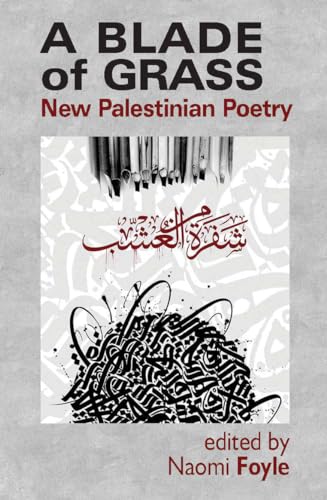
- Bilingual English-Arabic anthology of new Palestinian work.
- Includes poets from Gaza, the West Bank, the diaspora, and Israel.
- Blends free verse, hip-hop rhythms, and Arabic lyric tradition.
Best For: Readers who want bilingual Palestinian poetry across multiple regions
Refaat Alareer Collection – If I Must Die: Poetry and Prose
If you’re looking for palestine poetry books that combine urgency, reflection, and personal witness, this collection by Refaat Alareer is a powerful place to start. It gathers the title poem, other poetry, and prose on literature, teaching, politics, and family, giving readers a fuller sense of his voice and priorities.
Best For: Readers who want a moving, wide-ranging portrait of a Palestinian writer, professor, and activist.
Pros:
- Includes the widely known poem “If I Must Die” alongside other poetry.
- Brings together prose on teaching, politics, literature, and family.
- Curated by one of Alareer’s closest friends and collaborators.
- Offers a fitting testament to his work as writer, educator, and activist.
Cons:
- More hybrid collection than a pure poetry-only volume.
- Its subject matter is deeply shaped by violence and loss.
For readers who want poetry with context and depth, this book stands out for pairing literary craft with lived experience. It is especially compelling if you want a collection that reflects both personal grief and the broader humanism of Palestinian writing.
Gaza Debut Poetry – Things You May Find Hidden in My Ear
Among palestine poetry books, Mosab Abu Toha’s debut is a strong choice if you want poems rooted in Gaza’s daily realities but shaped with lyrical clarity. The collection contrasts political violence with natural beauty, while also drawing on the author’s experiences as a child, father, and survivor of repeated attacks.
Best For: Readers who want an award-winning contemporary debut that balances witness, lyricism, and hope.
Pros:
- Winner of the American Book Award and the Palestine Book Award.
- Grounded in life under siege in Gaza, from childhood through fatherhood.
- Balances rubble and surveillance with tea, roses, and sea imagery.
- Includes an in-depth interview about his life and path to poetry.
Cons:
- Its themes are intense and often centered on war and loss.
- Shorter than some other full-length poetry collections.
This is a compact but highly celebrated book for readers who want poetry that is direct, humane, and emotionally immediate. It works well for anyone seeking a contemporary Palestinian voice with both critical acclaim and strong personal testimony.
Darwish Landmark Edition – The Butterfly's Burden
If you’re browsing palestine poetry books and want a foundational name, Mahmoud Darwish’s The Butterfly’s Burden is an important volume to consider. This bilingual edition combines two full-length books with the linked poem “A State of Siege,” offering love poems, sonnets, journal-like distillations, and lyrics that move between longing and literary tradition.
Best For: Readers who want a major bilingual Mahmoud Darwish collection with wide emotional range.
Pros:
- Combines the complete text of two recent full-length volumes.
- Bilingual Arabic-English edition for readers interested in translation.
- Includes “A State of Siege” plus love poems, sonnets, and lyrics.
- Written by a central figure in Palestinian and Arab literature.
Cons:
- Less focused on one single theme than some narrower collections.
- At 348 pages, it is a larger commitment than a slim sampler.
This is a strong pick if you want a substantial introduction to Darwish’s voice and range. Its mix of exile, love, and formal variety makes it useful for readers seeking both access and depth in a classic Palestinian poet.
Contemporary Palestinian Anthology – You Must Live
For shoppers comparing palestine poetry books, this bilingual anthology stands out for its recent scope and collective perspective. You Must Live gathers poetry from Gaza and the West Bank written in 2023–2024, presenting voices still living in Palestinian territory and writing directly from current conditions.
Best For: Readers who want a recent bilingual anthology of Palestinian poets writing in the present moment.
Pros:
- Features bilingual poetry translated from Arabic.
- Collects recent work from Gaza and the West Bank.
- Includes a range of styles, from prayerful to humorous.
- Highlights poems of witness, love, elegy, and futurity.
Cons:
- As an anthology, it offers multiple voices rather than a single poet’s arc.
- Its subject matter is closely tied to ongoing political crisis.
This anthology is especially useful if you want a broad snapshot of current Palestinian poetry rather than an individual author study. The variety of tones and styles makes it one of the more immediate and contemporary options in the category.
Anthology Focus – The Tent Generations: Palestinian Poems
If you’re comparing palestine poetry books and want a broad anthology, The Tent Generations: Palestinian Poems is built around a wide range of Palestinian voices and experiences. The collection brings together poets from different age groups and backgrounds, with poems shaped by displacement, occupation, refugee life, and the enduring sense of Palestinian identity.
Best For: Readers who want an English-language anthology that reflects multiple generations, geographies, and lived experiences within Palestinian poetry.
Pros:
- Includes poets from Israel, the West Bank, Gaza, and the diaspora.
- Highlights poems shaped by the Nakba and later wars.
- Provides a strong cross-section of political and personal expression.
- English edition with 167 pages, useful for accessible reading.
Cons:
- Does not include Palestinian folkloric or dialect poetry.
- Focuses on literary Modern Standard Arabic originals in translation rather than oral tradition.
This is a practical pick if you want a representative anthology rather than a single-author volume. It offers breadth, historical context, and a clear sense of how Palestinian poetry carries memory across generations.
Resistance Classic – Enemy of the Sun: Poetry of Palestinian Resistance
For readers shopping palestine poetry books with a strong political edge, Enemy of the Sun: Poetry of Palestinian Resistance is a landmark collection. Originally published in 1970, this updated edition brings together twelve poets whose work is tied to liberation, exile, imprisonment, and solidarity movements beyond Palestine.
Best For: Readers who want a historically significant resistance anthology with a clear political and activist context.
Pros:
- Updated edition with new poems translated by Edmund Ghareeb.
- Includes a new foreword by Dr. Greg Thomas.
- Connects Palestinian poetry to global struggles for justice and liberation.
- Expanded to 272 pages in this edition.
Cons:
- Its political focus may not suit readers looking for a more personal or lyrical tone.
- Translation-based anthology, so style depends on the English renderings.
This edition is a strong choice if you want a foundational title in Palestinian resistance writing. It works especially well for readers interested in poetry as witness, protest, and cross-movement solidarity.
Reflective Contemporary Pick – Don’t Forget Palestine
If you’re looking through palestine poetry books for something modern and emotionally direct, Don’t Forget Palestine: Poems on Palestinian Life, Loss, and Hope offers a reflective mix of poetry and short reflections. The book focuses on grief, justice, love, faith, resistance, and the humanity that endures through devastation.
Best For: Readers who want an intimate, contemporary poetry collection that blends emotional witness with hope.
Pros:
- Combines poems and reflections for a personal, intimate tone.
- Touches on grief, justice, love, faith, and resistance.
- Highlights both the pain and beauty connected to Palestine.
- Compact 161-page paperback format.
Cons:
- Independent publication may appeal less to readers seeking a major press edition.
- Leans reflective and spiritual, so it may feel less archival than an anthology.
This is a good fit if you want a more intimate reading experience than a broad historical collection. Its strength is the way it pairs sorrow with hope and keeps the focus on human dignity.
Current Gaza-focused anthology – Out of Gaza: New Palestinian Poetry
If you’re comparing palestine poetry books that respond directly to the current Gaza crisis, this anthology is a focused, timely choice. It gathers contemporary Palestinian voices writing about rubble, displacement, occupation, bombardment, and resilience, with an emphasis on witness and survival.
Best For: Readers who want a short, urgent anthology tied to the 2023–24 Gaza war and contemporary Palestinian poetry.
Pros:
- Includes poets such as Naomi Shihab Nye, Hala Alyan, Lena Khalaf Tuffaha, and Refaat Alareer.
- Centers poems of witness, grief, resistance, and endurance.
- Compact 72-page format makes it easy to read or gift.
- A percentage of sales goes to the Palestine Solidarity Campaign.
Cons:
- Very brief compared with fuller anthologies.
- Focused on the current Gaza crisis, so it may feel narrow if you want a broader historical survey.
This is a strong pick if you want a concise, current anthology that connects poetry to immediate events in Gaza. Its value is less in breadth than in urgency and direct testimony.
Large contemporary anthology – Heaven Looks Like Us: Palestinian Poetry
For shoppers looking through palestine poetry books, this anthology stands out for its range and size. It frames Palestinian poetry as resistance while also making room for queer and feminist perspectives, eco-poetry, and meditations on love, time, and liberation.
Best For: Readers who want a broad, recent anthology with many voices and themes beyond conflict alone.
Pros:
- Substantial 368-page collection with many contributors.
- Includes established and emerging voices such as Mahmoud Darwish, Refaat Alareer, and Mohammed El-Kurd.
- Combines political witness with queer, feminist, and ecological themes.
- Presented as a multilingual, cross-generational conversation about liberation.
Cons:
- Longer and denser than a quick introductory volume.
- Publication date is 2025, so it may be less immediately accessible if you want a currently available backlist title with a long track record.
This is the most expansive option in the group, making it a strong anthology pick if you want both political urgency and thematic variety. It is especially appealing if you value a larger, more representative sampling of contemporary Palestinian poetry.
Bilingual resistance anthology – A Blade of Grass: New Palestinian Poetry
If you want palestine poetry books with strong bilingual presentation, this anthology is a practical choice. It collects new work in both English and Arabic from poets in the West Bank, Gaza, the diaspora, and within the borders of Israel, with a clear emphasis on cultural resistance.
Best For: Readers who want bilingual Palestinian poetry that highlights contemporary resistance across geographies.
Pros:
- Prints poems in English and Arabic.
- Features poets from the Occupied West Bank, Gaza, the diaspora, and within Israel.
- Includes work by Fady Joudah, Mahmoud Darwish, Naomi Shihab Nye, Dareen Tatour, and others.
- Places poetry within free verse, hip-hop rhythms, and the Arabic lyric tradition.
Cons:
- Shorter 94-page length may not satisfy readers seeking a larger anthology.
- Some of the included poets are noted in the description as imprisoned, which may make the collection feel especially solemn rather than expansive.
This anthology is a good fit if you want a bilingual volume that connects language, place, and resistance very directly. Its compact size and strong cross-regional scope make it easy to recommend for readers starting with contemporary Palestinian poetry.
How We Picked These Palestine Poetry Books
We focused on collections with strong literary reputation, relevance to Palestinian experience, and broad reader appeal. We also looked for books that offer clear entry points for newcomers while still rewarding readers already familiar with the tradition.
Selection also favored range: classic and contemporary voices, prose-and-poetry hybrids, and books that explore exile, homeland, daily life, resistance, and survival from different angles.
Quick Comparison
Some titles lean toward celebrated canonical work, while others spotlight newer poets and recent publishing. If you want historical depth, look at the foundational resistance and exile collections. If you want a more current snapshot, newer anthologies and contemporary voices may be the better fit.
For gifting or first-time reading, choose collections with accessible language and broad thematic variety. For deeper study, select books that are more politically direct or more formally experimental.
Key Buying Factors for Palestine Poetry Books
Voice and Tone
Consider whether you want lyrical, intimate poems or sharper political writing. Some collections are meditative and elegiac, while others are openly confrontational.
Historical and Cultural Context
Many Palestine Poetry Books benefit from context around displacement, occupation, diaspora, and generational memory. Editions with introductions or editorial notes can help readers connect the poems to lived history.
Translation and Accessibility
If the work is translated, pay attention to translator reputation and readability. A strong translation should preserve both emotional force and poetic rhythm without flattening meaning.
Use Case
Think about whether the book is for personal reading, academic use, classroom discussion, or a gift. Some volumes are ideal for reflective reading, while others work better for study or collective conversation.
Who Should Buy Which Palestine Poetry Books?
New readers should start with collections that combine emotional clarity and broad themes. Readers seeking literary prestige may prefer the best-known names in the field. Those looking for contemporary perspectives should choose newer anthologies and recent debuts that reflect current Palestinian life and expression.
If you want Palestine Poetry Books that are most likely to spark discussion, choose titles centered on witness, loss, and resilience. If your goal is to build a lasting shelf, mix landmark works with newer voices so you get both historical foundation and present-day urgency.