Finding thoughtful palestine story books for kids can help families, classrooms, and gift-givers choose stories that open up conversations about identity, home, and heritage.
This roundup focuses on books that are age-appropriate, culturally rich, and engaging for young readers, with options ranging from picture books to more reflective family stories.
Best 10 Palestine Story Books for Kids Picks for 2026
Culture Spotlight

- Non-fiction look at Palestinian heritage
- Covers food, dance, symbols, and literature
- Illustrated, accessible spreads for kids 6+
Best For: Families and educators seeking a celebratory cultural introduction
Heartfelt Storybook
Homeland: My Father Dreams of Palestine

- Bedtime story about memory and homeland
- Shows Jerusalem through a father’s memories
- Resonates with immigrant and refugee families
Best For: Readers who want a tender, emotional read-aloud about home and belonging
Map-and-Identity Pick

- Child looks for Palestine on a school map
- Family stories reveal different ways of knowing home
- Includes helpful back matter and historical notes
Best For: Young kids learning about identity, homeland, and resilience
Poetic Heritage Tale

- Lyrical story centered on a child’s name
- Celebrates Palestinian homeland and return
- Short, illustrated read-aloud format
Best For: Families wanting a poetic, heritage-focused picture book
Land, Memory, and Hope

- Set in 1967 Nablus with a child’s-eye view.
- Focuses on olive trees, family memory, and resilience.
- Picture-book format for ages 4–10.
Best For: Families and teachers seeking a reflective Palestinian story about heritage and hope.
Food, Culture, and Identity
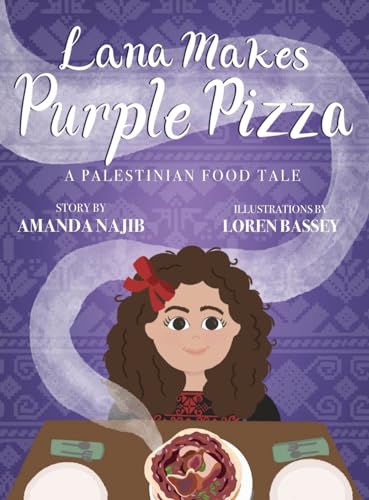
- Follows Lana and her mother making msakhan.
- Highlights Palestinian heritage, identity, and tradition.
- Winner of the 2024 Palestine Book Award.
Best For: Children ages 2–12 who enjoy family stories and culture-focused picture books.
Letters of Hope

- Written as a letter from Khalid in Palestine.
- Centers on hope, solidarity, and dreaming.
- 32-page picture book for ages 4–8.
Best For: Young readers who like personal, letter-style stories with an uplifting message.
Folktale Pick
Tunjur! Tunjur! Tunjur!: A Palestinian Folktale
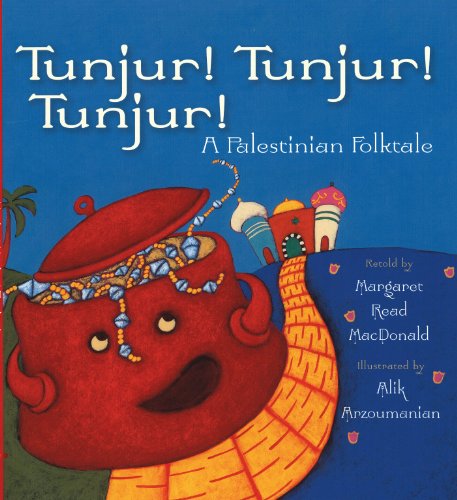
- Retells a Palestinian folktale
- 32-page picture book for ages 3 to 8
- Teaches a clear lesson about consequences
Best For: Preschool and early elementary kids who enjoy folk stories with a moral
History-Focused Choice
Displacement and the Palestinian American Story

- Explains Palestine from the Palestinian perspective
- Ages 10 and up with 192 pages
- Covers displacement, refugee life, and return
Best For: Middle-grade readers ready for a fuller historical perspective
Family Memory Pick

- Semi-autobiographical family history book
- 32 pages for ages 3 to 8
- Includes a hopeful message for the next generation
Best For: Young children and families wanting a personal, reflective story
Culture Spotlight – We Are Palestinian
If you’re looking for palestine story books for kids that go beyond a single narrative, We Are Palestinian is a strong culture-and-heritage pick. This non-fiction children’s book introduces Palestinian traditions, food, music, literature, symbols, and everyday life in a format that is rich but still accessible for young readers.
Best For: Parents, educators, and caregivers who want a visually engaging introduction to Palestinian culture and traditions for children ages 6+.
Pros:
- Covers a wide range of Palestinian heritage, from tatreez to dabke and knafeh
- Beautifully illustrated by Noha Eilouti
- Accessible spreads with facts, anecdotes, and memorable quotes
- Strong fit for classroom, home, or library use
Cons:
- Non-fiction format may not suit kids who want a purely story-driven picture book
- Reading age is geared more toward older young readers than toddlers
Overall, this book works well as a broad, celebratory introduction to Palestinian identity and culture. It’s especially useful if you want one book that can spark follow-up conversations about food, art, history, and community.
Heartfelt Storybook – Homeland: My Father Dreams of Palestine
For families comparing palestine story books for kids, Homeland: My Father Dreams of Palestine stands out as a gentle, emotionally resonant picture book. It tells the story of a father sharing memories of Jerusalem with his daughters, blending bedtime storytelling with vivid details of place, family history, and longing for home.
Best For: Readers who want a heartfelt picture book about diaspora, family memory, and the connection between stories and home.
Pros:
- Grounded in a father-daughter storytelling frame
- Evokes the sights and sounds of the Old City of Jerusalem
- Fits well for immigrant and refugee family discussions
- Warm, intimate illustrations by Reem Madooh
Cons:
- More reflective than action-driven
- Best suited to readers comfortable with a bittersweet tone
This is a thoughtful choice if you want a book that emphasizes memory, identity, and the emotional power of inherited stories. It’s especially effective as a read-aloud for families who value bedtime books with depth.
Map-and-Identity Pick – A Map for Falasteen
If you want palestine story books for kids that approach the topic through a child’s everyday experience, A Map for Falasteen is a thoughtful choice. The story follows a young Palestinian girl in diaspora who cannot find Palestine on a school map, then learns through her family’s stories that home can be understood in more than one way.
Best For: Young children and families looking for a gentle picture book about identity, diaspora, and resilience.
Pros:
- Clear, child-centered story about searching for Palestine on a map
- Includes family perspectives that help explain homeland and history
- Thoughtful back matter with key terms and historical moments
- Recognized as a Kirkus Best Book of 2024 and Booklist Editors Choice 2024
Cons:
- Focuses on a specific emotional and educational theme rather than a broad cultural survey
- May feel too understated for kids who prefer highly playful stories
This book is a practical pick when you want a simple, age-appropriate way to discuss maps, belonging, and family heritage. Its balance of story and back matter also makes it useful for guided conversations.
Poetic Heritage Tale – Baba, What Does My Name Mean?
Among palestine story books for kids, Baba, What Does My Name Mean? A Journey to Palestine offers a lyrical, imagination-filled approach. It begins with a young Palestinian refugee asking about the meaning of her name, then turns into an adventure that celebrates her homeland, cultural heritage, and the hope of return.
Best For: Families seeking a poetic picture book about name identity, Palestinian heritage, and imaginative storytelling.
Pros:
- Lyrical language paired with dazzling illustrations
- Explores the meaning of a name in a personal, child-friendly way
- Highlights Palestinian homeland and cultural richness
- Compact 32-page format that works well for read-aloud time
Cons:
- More symbolic than explanatory, so it may need adult guidance for younger children
- Best for readers who enjoy poetic storytelling over straightforward facts
This is a strong pick if you want a book that feels expressive and emotionally layered without being overly long. It pairs well with other titles that give children a broader factual context about Palestine.
Land, Memory, and Hope – These Olive Trees
If you’re looking for palestine story books for kids that connect history, family, and place, These Olive Trees offers a gentle but meaningful entry point. Set in 1967 Nablus, it follows Oraib as she remembers her family’s bond to the olive trees and faces the upheaval of war with determination and care.
Best For: Families and educators who want a picture book about Palestinian identity, memory, and hope for children ages 4 to 10.
Pros:
- Grounded in a Palestinian family’s connection to the land and olive trees.
- Uses a child’s perspective to make a difficult historical moment accessible.
- Offers themes of resilience, legacy, and hope.
- Illustrated by debut author-illustrator Aya Ghanameh with a vivid, picture-book format.
Cons:
- The subject matter includes war and displacement, which may feel heavy for some readers.
- Best suited to readers ready for a reflective, story-driven book rather than a light read-aloud.
Overall, this is a thoughtful choice if you want a children’s book that stays close to family memory and cultural roots. Its emotional focus on promise and continuity makes it stand out as a meaningful addition to a home or classroom library.
Food, Culture, and Identity – Lana Makes Purple Pizza
For shoppers searching for palestine story books for kids, Lana Makes Purple Pizza: A Palestinian Food Tale blends a family cooking story with cultural learning. Lana joins her mother in making msakhan, nicknamed “purple pizza,” while the book highlights Palestinian heritage, identity, and the stories carried through food.
Best For: Parents, teachers, and caregivers who want an engaging cultural story for children ages 2 to 12.
Pros:
- Centers on a familiar, relatable activity: cooking with family.
- Introduces Palestinian culture, history, and identity in an accessible way.
- Winner of the 2024 Palestine Book Award.
- Designed to spark curiosity about traditions and the meaning behind food.
Cons:
- The notes emphasize cultural and educational value more than plot complexity.
- Readers looking for a fast-paced adventure story may prefer a different title.
This is a strong pick if you want a warm, tradition-rich story that makes cultural learning feel natural. Its cooking focus gives it broad appeal for both home reading and classroom discussions.
Letters of Hope – Your Friend from Palestine
If you want palestine story books for kids that feel personal and inviting, Your Friend from Palestine is shaped like a letter from a child who wants to share his world. Khalid’s story centers on curiosity, hope, solidarity, and the desire to connect with readers beyond his country’s borders.
Best For: Children ages 4 to 8 who enjoy heartfelt, conversational stories about connection and hope.
Pros:
- Uses a letter format that feels intimate and child-friendly.
- Focuses on hope, solidarity, and dreaming.
- Short 32-page length makes it manageable for young listeners.
- English-language picture book with a 4 to 8 reading age listed in the notes.
Cons:
- Publication date is listed as 2025, so availability may depend on release timing.
- Readers wanting a more detailed historical setting may want a different title.
As a choice for introducing Palestinian perspectives in a simple, emotionally direct way, this book stands out for its warm voice and message of connection. It works well for read-alouds where you want the story to open up conversation.
Folktale Pick – Tunjur! Tunjur! Tunjur!: A Palestinian Folktale
If you want palestine story books for kids that introduce culture through a playful folktale, this retelling offers a simple lesson about choices and consequences. It follows a mischievous little pot on a child-friendly adventure, making it an easy read-aloud option for younger children.
Best For: Preschool and early elementary kids who enjoy folk stories with a clear moral.
Pros:
- Retells a Palestinian folktale in an easy-to-follow format
- Short 32-page length suits younger attention spans
- Reading age listed for 3 to 8 years
- Works well as a simple storytime pick
Cons:
- Focuses on a moral lesson more than historical context
- May feel too simple for older kids
This is a strong choice if you want a brief, culturally rooted picture book with a classic storytelling feel. It is best for families looking for an accessible introduction rather than a history-focused title.
History-Focused Choice – Displacement and the Palestinian American Story
For families searching for palestine story books for kids with a more historical perspective, this title explains Palestine and displacement from the Palestinian point of view. It is written for older readers and aims to present the region’s history, refugee experience, and cultural memory in an accessible way.
Best For: Middle-grade readers who are ready for a more detailed, perspective-driven history book.
Pros:
- Presents the Palestinian perspective explicitly
- Covers displacement, refugee experience, and return
- Includes cultural elements like olive groves and music as resistance
- Written for ages 10 and up
Cons:
- Not a picture book for younger children
- Scheduled publication date is September 29, 2026
This is the most history-oriented option in the group and is better suited to readers who can handle a longer, more nuanced narrative. If you want a book that centers the Palestinian side of the story, this is the clearest fit.
Family Memory Pick – A Palestinian Story
If you’re comparing palestine story books for kids, this semi-autobiographical picture book stands out for its personal family-history angle. It connects the Nakba of 1948 with a message of hope for the next generation, while staying brief enough for younger listeners.
Best For: Young children and families looking for a short, reflective story about Palestinian family history.
Pros:
- Semi-autobiographical account of the author’s family history
- Short 32-page format for young readers
- Reading age listed for 3 to 8 years
- Ends with a message of hope for the next generation
Cons:
- Focused on family history rather than broad background information
- Very new release with a 2025 publication date
This is a good pick if you want a gentle, personal entry point into Palestinian family experience. Its short length and hopeful framing make it especially approachable for shared reading.
How We Picked These Palestine Story Books for Kids
We looked for books that are accessible to children, rooted in Palestinian voice or experience, and useful for reading aloud at home or in school. Strong selections balance emotional depth with clear language, memorable artwork, and themes kids can understand, such as family, food, names, memory, and belonging.
Quick Comparison
Some titles lean toward cultural celebration and everyday life, while others center on history, displacement, or intergenerational memory. For younger children, picture-book storytelling and familiar routines often work best. For older kids, books with fuller context and more nuanced themes may be a better fit.
Key Buying Factors for Palestine Story Books for Kids
Age Range and Reading Level
Check whether the book is designed for preschool, early elementary, or middle-grade readers. Younger children usually need simpler text, repetition, and visual storytelling, while older readers may be ready for more complex ideas about heritage and justice.
Cultural Authenticity
Look for books that present Palestinian life with specificity rather than stereotypes. Details about language, food, traditions, family roles, and place can make the story feel more grounded and meaningful.
Theme and Emotional Tone
Some families want joyful celebrations of culture; others want books that gently introduce displacement, identity, or resilience. Choose the tone that matches your purpose, whether that is bedtime reading, classroom discussion, or a gift with deeper meaning.
Illustrations and Read-Aloud Value
For younger readers, expressive art and strong rhythm matter a lot. Books that invite questions and discussion tend to hold children’s attention and make the reading experience more interactive.
Who Should Buy Which Palestine Story Books for Kids?
If you want an inviting first introduction, choose books centered on culture, family, or food. If your goal is to support deeper learning, look for titles that address memory, home, or the Palestinian American experience. Teachers and librarians may want a mix of both so they can match books to different ages and discussion goals. For a home library, a balanced set of Palestine Story Books for Kids offers the best long-term value because it gives children multiple ways to connect with the subject.
In short, the best choice depends on the child’s age, your reading goals, and whether you want celebration, context, or both. A thoughtful shortlist makes it easier to choose books that are both engaging and meaningful.