Palestinian novels offer some of the most vital storytelling in contemporary literature, blending history, exile, family, and place into unforgettable fiction.
This roundup highlights standout books for readers who want emotionally rich, culturally grounded stories with lasting relevance.
Best 10 Palestinian Novels Picks for 2026
Mornings in Jenin

- Multi-generational Palestinian family saga
- Set across Palestine, Lebanon, and America
- Widely praised and emotionally vivid
Best For: Readers seeking a sweeping, acclaimed Palestinian family novel
Salt Houses

- Award-winning Palestinian family saga
- Centers home, exile, and assimilation
- Spans Nablus, Kuwait City, and beyond
Best For: Readers who want a lyrical diaspora novel about home and family
Gaza Writes Back
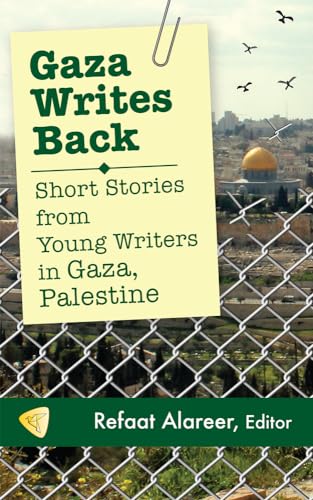
- Short stories by fifteen young Gaza writers
- Themes of dignity, resilience, and longing
- Memorial Edition with new foreword
Best For: Readers who want short fiction from young Palestinian voices
Against the Loveless World

- Award-winning novel with major prize recognition
- Follows Nahr across Kuwait, Jordan, and Palestine
- Darkly funny, urgent, and character-driven
Best For: Readers seeking a contemporary, prize-winning Palestinian woman’s story
Men in the Sun and Other Palestinian Stories

- Includes the landmark novella Men in the Sun.
- Translation praised for preserving Kanafani’s sober prose.
- Offers a gritty look at Palestinian displacement and struggle.
Best For: Readers seeking a concise introduction to Kanafani’s Palestinian fiction
The Book of Disappearance

- Bold premise: Palestinians in Israel vanish overnight.
- Alternating narrators explore memory, loss, and identity.
- English translation highlights a marginalized perspective.
Best For: Readers wanting a contemporary, concept-driven Palestinian novel
Palestine's Children: Returning to Haifa & Other Stories

- Includes the major novella Returning to Haifa.
- Stories center on children and refugee life.
- Adds contextual introduction and author biography.
Best For: Readers seeking a concise, context-rich Kanafani collection
I Saw Ramallah

- Winner of the Naguib Mahfouz Medal for Literature
- Memoir of returning to Ramallah after decades in exile
- Reflective, humane look at Palestinian displacement
Best For: Readers who want a literary, reflective account of exile and return
The Woman from Tantoura

- Novel of Palestine with the Nakba at its heart
- Tracks Ruqayya from the 1948 massacre through exile
- Long, sweeping family-centered narrative
Best For: Readers who want an immersive, generation-spanning Palestinian novel
The Book of Gaza

- Anthology of ten short stories from Gaza
- Offers life in the Strip beyond media headlines
- Focuses on anxiety, oppression, resilience, and hope
Best For: Readers who prefer short fiction and multiple Palestinian voices
Modern Classic – Mornings in Jenin
If you’re comparing Palestinian novels that span generations and place history at the center of the story, Mornings in Jenin is a strong place to start. This widely read novel follows one family across multiple decades and locations, from Palestine to Lebanon, America, and back to occupied Palestine.
Best For: Readers who want a sweeping, emotionally intense Palestinian family saga grounded in displacement and survival.
Pros:
- Multi-generational narrative with a broad historical arc
- Widely praised as a modern classic of Palestinian literature
- Follows the family across several countries and life stages
- Emotionally powerful and vivid writing
Cons:
- Heavy themes of loss, colonization, and exile
- More emotionally demanding than a lighter literary read
For buyers seeking one of the most recognized Palestinian novels, this book stands out for its scope, acclaim, and enduring relevance. It’s a literary choice when you want a story that is both personal and historically expansive.
Generational Diaspora – Salt Houses
Salt Houses: A Heartbreaking Novel about Three Generations of a Palestinian Family
Check Price On AmazonSalt Houses is a strong pick if you want Palestinian novels centered on family, displacement, and the meaning of home. This lyrical debut follows three generations of a Palestinian family as war and upheaval push them from Nablus to Kuwait City, then onward to multiple cities around the world.
Best For: Readers who want a lyrical, award-winning multigenerational novel about diaspora and belonging.
Pros:
- Winner of the Dayton Literary Peace Prize and Arab American Book Award
- Traces three generations through repeated displacement
- Explores what home means after loss of homeland
- Praised as lyrical and heartbreaking
Cons:
- Its emotional weight may not suit readers seeking a lighter story
- Spans many locations and time periods, which can feel expansive rather than focused
This novel is especially useful for readers who want a grounded, human-scale entry into Palestinian diaspora fiction. Its strength lies in showing how conflict reshapes everyday family life across generations.
Young Voices Anthology – Gaza Writes Back
For readers looking for Palestinian novels and fiction rooted in lived experience, Gaza Writes Back offers a different format: a short-story anthology from fifteen young writers in Gaza. The collection captures daily life under siege and blockade while highlighting endurance, dignity, and creativity.
Best For: Readers who want short fiction from young Palestinian writers and a direct view into life in Gaza.
Pros:
- Features work from fifteen young writers in Gaza
- Short stories focus on dignity, courage, and daily life under hardship
- Includes a Memorial Edition with updated backmatter and a new foreword
- Useful for readers who prefer shorter, varied pieces over one long novel
Cons:
- Not a single-narrative novel, so it may not fit every roundup for novel-only readers
- Several stories deal with difficult, violent subject matter
This anthology is best when you want multiple voices rather than one family storyline. It stands out for its urgency, range, and the perspective of a younger literary generation.
Bold Contemporary Fiction – Against the Loveless World
If you want Palestinian novels with a modern, sharply personal voice, Against the Loveless World is a compelling choice. The novel follows Nahr, a Palestinian woman whose life moves through Kuwait, Jordan, Palestine, and prison, blending survival, dark humor, and political pressure into one intense story.
Best For: Readers looking for a contemporary Palestinian novel with a strong female lead and a darkly funny edge.
Pros:
- Won the Arab American Book Award and the Palestine Book Awards
- Finalist for major literary prizes including Aspen Words
- Centers a complex Palestinian woman who refuses to be a victim
- Described as urgent, richly detailed, and resonant
Cons:
- Contains prostitution, imprisonment, and other harsh material
- Its moral ambiguity and bleak episodes may not suit every reader
This is a strong option if you want a contemporary novel that is emotionally tough but also sharply written. It brings together political displacement and intimate character drama in a way that feels distinctive within Palestinian fiction.
Classic Palestinian Short Fiction – Men in the Sun and Other Palestinian Stories
If you’re looking for Palestinian novels and related fiction that go beyond a single plot, this collection is a strong starting point. Ghassan Kanafani’s stories and novella offer a spare, lucid look at displacement, political struggle, and daily life across Palestine and the wider Middle East, with a translation noted for preserving the subtle voice and sober prose of the original.
Best For: Readers who want a concise, influential introduction to Kanafani’s Palestinian fiction and its social and political depth.
Pros:
- Includes the landmark novella Men in the Sun, the basis for the film The Deceived.
- Features multiple stories spanning different years, including The Land of Sad Oranges and an extract from Umm Saad.
- Offers an unsparing, gritty view of the Palestinian experience and adjoining region.
- The translation is specifically praised for its accuracy and for preserving Kanafani’s voice.
Cons:
- At 117 pages, this is a short collection rather than a full-length novel.
- The focus is intense and political, which may not suit readers seeking lighter fiction.
This is a compact but important volume if you want Palestinian fiction with historical weight and literary authority. It works especially well for readers who value translated classics and short, powerful storytelling.
Speculative Contemporary Palestinian Fiction – The Book of Disappearance
For readers browsing Palestinian novels with a sharper contemporary edge, this imaginative translation stands out. Set in Tel Aviv after Palestinians in Israel mysteriously disappear, the novel alternates between a Palestinian man’s journal and his Jewish neighbor’s search for answers, using that structure to explore memory, loss, and the fissures around the Palestinian question.
Best For: Readers who want a thought-provoking, contemporary Palestinian novel that uses a bold premise to examine memory and identity.
Pros:
- Uses a striking speculative setup: what happens if all Palestinians in Israel disappear?
- Alternating narrators create a layered view of the same event.
- Engages directly with displacement, refugee memory, and competing national narratives.
- The English edition invites readers into a perspective often marginalized in translation.
Cons:
- The premise is unsettling and may not appeal to readers seeking straightforward realism.
- Its political and thematic focus is central, so it’s less about escapist storytelling.
This is a strong pick if you want Palestinian fiction that is contemporary, concept-driven, and intellectually demanding. The novel’s structure gives it real tension while staying grounded in the lived consequences of loss and memory.
Essential Palestinian Stories – Palestine's Children: Returning to Haifa & Other Stories
If you want Palestinian novels and fiction that are rooted in the conflict but still compact and readable, this collection is a standout. Ghassan Kanafani’s stories center on children and refugee life, with a translation and contextual material that help frame the hardship, identity struggles, and search for homeland running through the book.
Best For: Readers looking for a concise, thematically rich collection built around Palestinian childhood, exile, and return.
Pros:
- Includes the widely discussed novella Returning to Haifa.
- Focuses on children caught in political events and displacement.
- Explores identity, language, class strife, and the idea of homeland.
- Includes an introduction and short biography for added context.
Cons:
- Like many Kanafani works, the material is intensely political and often ծանր in tone.
- It’s a collection, so readers wanting a single continuous novel may prefer another format.
This volume is an excellent choice for readers who want a compact entry point into Kanafani’s fiction and the Palestinian experience it reflects. Its mixture of short pieces and one major novella makes it especially useful for newcomers to the field.
Exile & Memory Pick – I Saw Ramallah
If you’re looking for Palestinian novels and literary memoirs that center exile, return, and memory, I Saw Ramallah is a powerful place to start. Mourid Barghouti’s account follows a thirty-year separation from home after the 1967 Six-Day War and captures what it feels like to come back to a homeland that has changed beyond recognition.
Best For: Readers who want a deeply humane, reflective book on displacement, identity, and return.
Pros:
- Winner of the Naguib Mahfouz Medal for Literature.
- Offers a vivid, personal view of Palestinian exile and return.
- Blends memory, reflection, lamentation, and resilience.
- Shorter length makes it approachable at 208 pages.
Cons:
- More reflective than plot-driven.
- Centered on memoir-like experience rather than a conventional novel structure.
As a buying choice, this is best suited to readers who value literary depth and historical resonance over fast pacing. It stands out as an essential, humane work for understanding the emotional realities behind the Palestinian predicament.
Nakba-Era Family Saga – The Woman from Tantoura
For shoppers browsing Palestinian novels with a strong historical core, The Woman from Tantoura offers a sweeping life story shaped by the Nakba. Ruqayya’s journey begins with the 1948 massacre in Tantoura and follows her across decades of exile, making this a broad, emotionally grounded novel of loss, family, and survival.
Best For: Readers who want a long, character-centered Palestine novel spanning generations and places of exile.
Pros:
- Centers the Nakba at the heart of the story.
- Follows one woman’s life from childhood to old age.
- Explores family, land, memory, and diaspora.
- Substantial 414-page length for readers who want an immersive read.
Cons:
- Its broad sweep may feel slow for readers wanting a tighter plot.
- The emotional weight of displacement is constant throughout.
This is a strong pick if you want a novel that combines personal history with the larger Palestinian story. Its long-form structure gives the loss and resilience of exile room to unfold across time and geography.
Gaza Fiction Snapshot – The Book of Gaza
If you’re comparing Palestinian novels and related fiction, The Book of Gaza is a useful option for readers who prefer short-form storytelling. This anthology gathers ten stories from Gaza, including work by both earlier pioneers and younger writers, offering a grounded view of life in the Strip beyond headlines.
Best For: Readers who want concise fiction that captures everyday life, pressure, and resilience in Gaza.
Pros:
- Collects ten stories from multiple Gazan writers.
- Shows life in Gaza beyond global media headlines.
- Highlights themes of oppression, anxiety, resilience, and hope.
- Short-story format is easy to sample and revisit.
Cons:
- It is an anthology, not a single continuous novel.
- Readers seeking a long, unified narrative may prefer a different title.
For buyers who want a broader literary snapshot rather than one extended storyline, this collection delivers variety and perspective. Its mix of voices makes it especially useful for understanding how Palestinian identity is continually being reforged in Gaza.
How We Picked the Best Palestinian Novels
To choose the best Palestinian Novels for this roundup, we looked for books with strong literary merit, clear cultural significance, and reader appeal across different tastes. We also favored titles that represent a range of forms, including family sagas, short-story collections, translated fiction, and contemporary narrative voices.
Selection also considered accessibility for general readers, breadth of themes, and how well each book adds something distinct to a well-rounded reading list.
Quick Comparison
Think of these books in a few simple groupings. If you want a sweeping family story, choose a novel centered on generations and domestic life. If you prefer compact reading, short-story collections and linked fiction offer a faster entry point. For readers interested in political memory, displacement, and lived experience, the translated and historical works are especially strong.
Key Buying Factors for Palestinian Novels
Form and Length
Some readers want a single immersive novel, while others prefer short fiction or brief memoir-like narratives. Check whether you want a long, layered read or something more flexible and episodic.
Historical Versus Contemporary Focus
Many Palestinian Novels deal with displacement, return, occupation, and family memory, but the tone can vary widely. Some books are deeply historical; others feel immediate and present-day.
Translation and Style
If you read translated fiction, pay attention to whether you prefer a lyrical style, a spare voice, or a more direct narrative approach. Translation can shape pacing, texture, and emotional impact.
Theme and Reader Sensitivity
These books often engage with war, exile, loss, and political trauma. Choose titles based on how much emotional intensity you want in your reading experience.
Who Should Buy Which Palestinian Novels?
Choose family-centered novels if you want multi-generational drama and strong character relationships. Pick short-story collections if you want variety and a quicker reading pace. Select classic Palestinian literature if you’re building a foundational library, and choose newer voices if you want fresh perspectives on identity, survival, and belonging.
For most readers, the best approach is to mix one classic, one contemporary novel, and one collection of stories. That gives you a fuller view of what Palestinian Novels can do, both artistically and historically.