Palestinian short fiction spans exile, memory, resistance, family life, and everyday survival with remarkable range. The best collections balance literary quality with historical and cultural depth.
Whether you want foundational classics, contemporary voices, or themed anthologies, this roundup highlights ten strong choices for thoughtful readers and collectors.
Best 10 Palestinian Short Story Collections Picks for 2026
Men in the Sun and Other Palestinian Stories

- Includes the landmark novella <em>Men in the Sun</em>.
- Translated by Hilary Kilpatrick.
- Gritty, sober stories rooted in Palestinian reality.
Best For: Readers seeking an essential classic of Palestinian short fiction
Palestine +100

- Twelve Palestinian writers imagine 2048.
- Ranges from SF noir to dystopia and farce.
- Translated anthology of Palestinian science fiction.
Best For: Fans of speculative Palestinian short fiction and future-set anthologies
Out of Time: The Collected Short Stories of Samira Azzam

- Five short-story collections by Samira Azzam.
- Stories set in Palestine and Lebanon.
- New English edition from ArabLit Books.
Best For: Readers seeking a historically important, newly translated Palestinian short story collection
In Search of Fatima: A Palestinian Story

- Intimate memoir of Nakba-era displacement.
- Follows a Palestinian family from Jerusalem to London.
- Longer, reflective account of identity and exile.
Best For: Readers who want a memoir about Palestinian displacement and identity
Gaza Writes Back
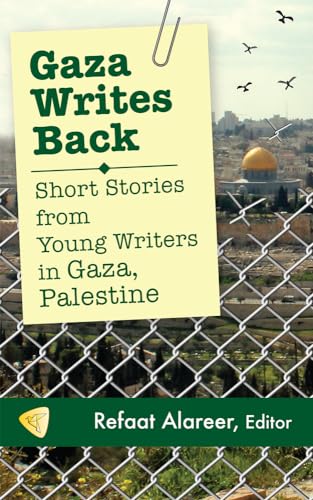
- Fifteen young writers from Gaza
- Stories shaped by siege, blockade, and memory
- Memorial Edition includes a new foreword
Best For: Readers who want an emotionally serious Gaza-centered collection
Her First Palestinian
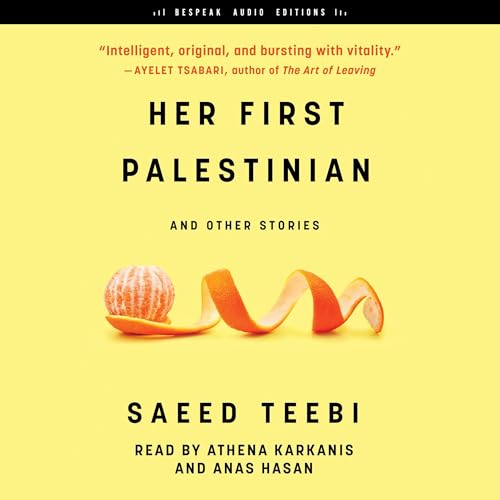
- Palestinian immigrant stories set in Canada
- Elegant, surprising, and character-driven
- Finalist for the 2022 Atwood Gibson prize
Best For: Readers interested in Palestinian diaspora stories set in Canada
Palestine +100

- Twelve writers imagine Palestine in 2048
- Mixes SF noir, dystopia, and future-tech
- Uses genre fiction to examine identity and justice
Best For: Readers who want Palestinian fiction with science-fiction and speculative future settings
A Spring That Did Not Blossom

- Five linked stories set amid refugee life in Lebanon
- Draws on cultural and oral history
- Mixes vernacular, lyrical, and concise storytelling
Best For: Readers wanting a brief, historical Palestinian story collection
Palestine's Children

- Contains the celebrated novella “Returning to Haifa”
- Focuses on children, exile, and the lost homeland
- Translation is noted for preserving the original spirit
Best For: Readers wanting an essential Palestinian literary classic
Palestine - 1

- Multi-author anthology with prominent contemporary writers
- Uses horror and speculative elements to examine the Nakba
- Published in English with accessibility features
Best For: Readers wanting an experimental Palestinian anthology
Classic Palestinian Fiction – Men in the Sun and Other Palestinian Stories
If you’re looking for palestinian short story collections that ground fiction in the realities of displacement, conflict, and daily survival, this Ghassan Kanafani volume is a foundational pick. The stories are compact but forceful, with the title novella and the surrounding pieces offering a clear, sober look at Palestine and the wider Middle East.
Best For: Readers who want an essential, historically grounded introduction to Palestinian short fiction.
Pros:
- Includes the well-known novella Men in the Sun, the basis for The Deceived.
- Collects several important stories, including “The Land of Sad Oranges” and “Letter from Gaza.”
- Translated by Hilary Kilpatrick, noted for preserving Kanafani’s subtle voice and lucid prose.
- Offers an unsparing, gritty view of Palestinian life and the adjoining region.
Cons:
- Very short at 117 pages, so it’s more concentrated than comprehensive.
- The tone is sober and political, which may not suit readers seeking lighter fiction.
This is one of the strongest starting points for readers who want Palestinian stories that are compact, serious, and widely respected. Its historical importance and translation quality make it a reliable cornerstone for a roundup.
Speculative Anthology – Palestine +100
For buyers browsing palestinian short story collections with a fresh angle, this anthology stands out by imagining Palestine in the year 2048. The stories range from SF noir to dystopia and high-tech farce, using speculative fiction to reframe the Palestinian experience through future scenarios rather than only historical memory.
Best For: Readers who want Palestinian short fiction that explores the future through science fiction and speculative ideas.
Pros:
- Features twelve Palestinian writers offering varied approaches to one concept.
- Includes drones, digital uprisings, time-bending VR, and parallel-universe peace treaties.
- Presented as probably the first anthology of science fiction from Palestine.
- Translated from Arabic by multiple translators, expanding access to the stories.
Cons:
- Its speculative framing may not suit readers expecting realist literary fiction.
- At 192 pages, it is an anthology sample rather than a full survey of Palestinian SF.
This collection is a strong choice if you want a Palestinian anthology that broadens the category beyond realism. The future-setting gives it a distinctive place among short fiction collections.
Recovered Story Collection – Out of Time: The Collected Short Stories of Samira Azzam
If you want palestinian short story collections with historical depth and literary recovery value, this translated volume of Samira Azzam is a major addition. The stories reflect life in Palestine and Lebanon in the first half of the twentieth century, and the collection also helps bring an under-recognized writer back into view.
Best For: Readers interested in an important Palestinian short story writer whose work is newly available in English.
Pros:
- Collects five vivid short-story collections by Samira Azzam.
- Centers snapshots of life in Palestine and Lebanon in the first half of the twentieth century.
- Supports rediscovery of a writer described as great but not fully canonized.
- Available in English from ArabLit Books with enhanced typesetting and screen-reader support.
Cons:
- As a digital edition, it may not suit readers who specifically want a print copy.
- The collection’s value is strongly tied to literary history, which may appeal most to focused readers.
This is a valuable pick for readers building a serious shelf of Palestinian short fiction. It combines literary significance with broad historical reach and gives Azzam the wider audience her work deserves.
Memoir of Exile – In Search of Fatima: A Palestinian Story
Although this title is a memoir rather than a story collection, it still belongs on a roundup for readers interested in palestinian short story collections because it offers an intimate, personal account of Nakba-era displacement. Kharmi traces exile from Jerusalem to Jordan and then London, connecting a family story to the broader political events that shaped Palestinian loss and identity.
Best For: Readers who want a memoir of Palestinian displacement and identity shaped by the Nakba.
Pros:
- Described as a moving and eloquent memoir of Palestinian exile and displacement.
- Connects personal experience with the major political events of 1948 and after.
- Explores psychological displacement and the search for identity in a clear narrative voice.
- Substantial length at 480 pages for readers wanting a longer, reflective account.
Cons:
- It is a memoir, not a short story collection.
- Readers wanting purely fictional Palestinian short stories should look elsewhere.
This book is best treated as a complementary pick rather than a direct substitute for a fiction anthology. Still, it adds depth to a roundup by capturing the lived experience behind many Palestinian literary themes.
Memorial Edition Anthology – Gaza Writes Back
If you’re looking for Palestinian short story collections rooted in lived experience, Gaza Writes Back is a powerful anthology of fiction by fifteen young writers from Gaza. The stories center homes, families, longing, resilience, and the realities of life under siege, making this a strong pick for readers who want literary fiction tied closely to contemporary Palestinian life.
Best For: Readers who want an emotionally serious Gaza-centered collection shaped by young Palestinian voices and resistance through storytelling.
Pros:
- Written by fifteen young writers from Gaza
- Grounded in themes of family, dignity, and resilience
- Includes stories shaped by life under siege and blockade
- Memorial Edition adds a new foreword and updated contributor notes
Cons:
- Some stories are especially difficult and heavy to read
- Strong focus on trauma and occupation may not suit readers seeking lighter fiction
- Best appreciated by readers comfortable with politically charged material
The collection stands out for its urgency and emotional weight, with writing that aims to preserve memory and express endurance. It is a compelling choice if you want a Palestinian short story collection that is both literary and directly engaged with Gaza’s recent history.
Diaspora Fiction Collection – Her First Palestinian
Her First Palestinian is a sharp, contemporary choice for readers browsing Palestinian short story collections that focus on diaspora life. These stories follow Palestinian immigrants in Canada as they navigate identity, family strain, professional pressures, and unsettling personal choices, all in an elegant and surprising style.
Best For: Readers interested in Palestinian diaspora stories set in Canada with tense, character-driven situations.
Pros:
- Explores the Palestinian immigrant experience in Canada
- Features varied, high-stakes story premises
- Described as elegant, surprising, and engrossing
- Finalist for the 2022 Atwood Gibson Writers’ Trust Fiction Prize
Cons:
- More focused on diaspora identity than life in Palestine itself
- Some scenarios are emotionally intense or morally uneasy
- Readers seeking a broader historical scope may want a different anthology
This collection is a strong fit if you want modern Palestinian fiction that moves beyond geography into questions of belonging, estrangement, and cultural memory. Its tension and range make it especially appealing for readers who like literary stories with sharp personal conflict.
Speculative Palestinian Stories – Palestine +100
Palestine +100 offers a distinctive angle on Palestinian short story collections by asking writers to imagine Palestine in 2048, a century after the Nakba. The result is a set of speculative stories that use science fiction, dystopia, and surreal future-tech to explore identity, political justice, and the long shadow of historical trauma.
Best For: Readers who want Palestinian fiction with science-fiction and speculative future settings.
Pros:
- Features twelve Palestinian writers imagining the future
- Blends SF noir, dystopia, farce, and futuristic concepts
- Uses genre fiction to reflect on identity and political justice
- Originally published by Comma Press and released in English by Deep Vellum
Cons:
- Speculative approach may not appeal to readers wanting realism
- Future-setting can feel abstract compared with contemporary settings
- Less focused on everyday life than some other Palestinian collections
This book is best when you want Palestinian stories that think creatively about memory, loss, and survival through the lens of genre fiction. It offers a smart, concept-driven alternative to more traditional realist anthologies.
Modern Refugee-Focused Collection – A Spring That Did Not Blossom
If you’re looking for Palestinian short story collections that stay close to lived experience, this book offers a compact set of five stories shaped by refugee life during the Lebanese Civil War. Nejmeh Khalil Habib draws on cultural and oral history to follow ordinary Palestinians across Dbayeh refugee camp and the siege of West Beirut, with prose that moves between simple vernacular and lyrical passages.
Best For: Readers who want a short, tightly focused collection about Palestinian refugee lives in wartime Lebanon.
Pros:
- Five concise stories linked by time, place, and shared historical pressure
- Grounded in cultural and oral history
- Varied style, from plainspoken language to more poetic writing
- Centers everyday characters and their inner lives
Cons:
- Very slim at 149 pages, so it may feel brief
- Focused specifically on the Lebanese Civil War era
As a roundup pick, this is a strong choice if you want a modern, readable collection that emphasizes character depth over broad scope. Its strength is the way it reveals hidden emotional worlds without losing sight of the historical moment.
Classic Canonical Stories – Palestine's Children
Among Palestinian short story collections, Ghassan Kanafani’s Palestine’s Children stands out for readers who want an established classic with a strong political and emotional core. The stories and novella center on children caught in the conflict, refugee-camp hardship, and the struggle to recover the lost homeland through action, with the well-known “Returning to Haifa” anchoring the volume.
Best For: Readers seeking a classic, historically important Palestinian collection with wide critical recognition.
Pros:
- Includes the acclaimed novella “Returning to Haifa”
- Explores identity, language, class strife, and homeland
- Translation is praised for preserving the power of the original
- Offers both political urgency and universal appeal
Cons:
- Heavily centered on conflict and displacement
- Older edition and presentation may feel plain to some readers
This is the best-known literary option in the group for readers who want to understand the Palestinian experience through a major voice in the tradition. It is especially valuable if you want fiction that is concise but thematically deep.
Speculative Nakba Anthology – Palestine – 1
If you want Palestinian short story collections that take a more experimental route, Palestine – 1 brings together multiple authors responding to the Nakba and its aftermath through horror-leaning and speculative devices. Featuring writers such as Mazen Maarouf, Selma Dabbagh, Ahmad Jaber, and others, it uses dreams, ghosts, djinn, doppelgangers, and divided selves to confront 1948 and the ongoing violence it set in motion.
Best For: Readers interested in a contemporary, multi-author collection that blends Palestinian history with speculative fiction.
Pros:
- Multi-author anthology with a wide range of contributors
- Uses horror and speculative motifs to address historical trauma
- Directly engages the Nakba and its aftermath
- Available in English with enhanced typesetting and screen reader support
Cons:
- Publication date is listed for 2025, so it is a future release
- Its experimental style may not suit readers wanting traditional realism
This anthology is a strong pick if you want a current, concept-driven collection that expands what Palestinian fiction can do. Its appeal lies in the way it uses genre tools to make historical memory feel immediate and unsettling.
How We Picked the Best Palestinian Short Story Collections
We focused on Palestinian Short Story Collections with strong literary reputations, meaningful thematic range, and lasting relevance for general readers, students, and book clubs. Priority went to books that offer authentic Palestinian perspectives, strong editorial value, and a clear place in the conversation around modern Arab literature.
Quick Comparison: What Each Type of Collection Offers
Some titles lean toward classic canon and foundational Palestinian storytelling, while others showcase contemporary and emerging voices. A few are tightly focused on a single author’s body of work, while others are anthologies that trace shared experience across generations. If you want historical context, choose a collection tied to major turning points; if you want variety, an anthology is often the better fit.
Key Buying Factors for Palestinian Short Story Collections
Era and Historical Scope
Look at whether the book centers on pre-1948 life, the Nakba, exile, Gaza, or present-day Palestinian identity. The best Palestinian Short Story Collections often gain power from the historical moment they capture, so the setting matters as much as the prose.
Single Author Vs. Anthology
Single-author collections can offer a more unified voice and style, while anthologies provide broader perspective and more variety. If you are new to the field, an anthology may be more accessible; if you already know the landscape, a focused author collection can be more rewarding.
Translation and Accessibility
For translated works, consider the quality of the translation and whether the edition includes helpful notes or context. Clear translation can make a major difference in how nuanced the stories feel to readers unfamiliar with Palestinian history or cultural references.
Thematic Fit
Some readers want political urgency, while others prefer family-centered, literary, or coming-of-age stories. Choose based on what you want the reading experience to emphasize: historical witness, emotional intimacy, cultural memory, or stylistic innovation.
Who Should Buy Which Palestinian Short Story Collections?
Readers seeking a classic starting point should choose a foundational collection with strong historical importance. Those who want a wider survey of voices should look at anthologies and multi-author volumes. If you are buying for a student, book club, or classroom, select a title with clear themes and historical context. For readers who want deeply literary, character-driven fiction, a single-author collection is often the best match. Among Palestinian Short Story Collections, the right choice depends on whether you value canon, variety, or contemporary perspective most.