Classic Palestinian literature offers some of the most powerful writing of the 20th century—fiction, poetry, folklore, and testimony shaped by displacement, memory, and resilience.
This roundup highlights 10 essential books for readers who want a strong starting point, a deeper historical perspective, or a more complete view of the Palestinian literary canon.
Best 10 Classic Palestinian Literature Picks for 2026
Men in the Sun and Other Palestinian Stories

- Contains the landmark novella Men in the Sun
- Praised translation preserves Kanafani’s clear prose
- Compact collection with stories from 1956–1969
Best For: Readers seeking a concise Kanafani introduction
Mornings in Jenin

- Sweeping novel across six decades and four generations
- Focuses on displacement, exile, and identity
- 20th anniversary edition with new introduction
Best For: Readers wanting a wide-ranging Palestinian family novel
Anthology of Modern Palestinian Literature

- 740-page survey of modern Palestinian writing
- Shows intensity, paradox, aspiration, and eloquence
- Strong reference choice for serious study
Best For: Students and readers wanting a broad literature survey
Palestine's Children

- Includes the major novella Returning to Haifa
- Focuses on children shaped by political events
- Translation preserves the Arabic original’s spirit
Best For: Readers wanting Kanafani stories centered on refugee life
The Tent Generations: Palestinian Poems

- Anthology of Palestinian poems in English translation
- Covers Nakba, exile, and national identity themes
- Excludes folkloric oral poetry and dialect verse
Best For: Readers seeking a representative modern Palestinian poetry collection
Returning to Haifa (Arabic Edition)
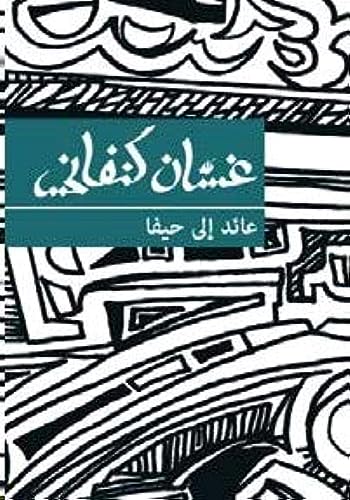
- Arabic edition of a major Palestinian return narrative
- Centers on 1948 loss, memory, and homeland
- Compact, politically charged literary work
Best For: Readers who want a landmark Palestinian novel in Arabic
Men in the Sun: And Other Palestinian Stories

- Short literary work about a dangerous desert journey
- Combines harsh realism with unexpected lyricism
- Includes the title story plus other Palestinian stories
Best For: Readers seeking a concise introduction to Palestinian fiction
Palestinian Resistance Literature Under Occupation, 1948-1968

- Kanafani’s essay on resistance literature
- Curated poetry, prose, and drama
- English translation by Tarif Khalidi
Best For: Readers who want a critical introduction to Palestinian resistance literature
Speak, Bird, Speak Again
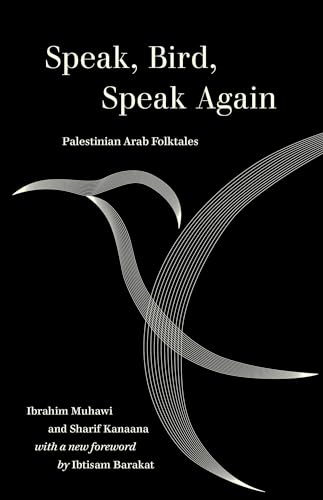
- Palestinian folktales from multiple regions
- Translations preserve humor and nuance
- New foreword by Ibtisam Barakat
Best For: Readers who want translated Palestinian folktales with strong cultural texture
Palestinian Literature of Resistance Under Occupation 1948 - 1968

- Arabic-language edition of Kanafani
- Centered on 1948–1968 occupation period
- Compact 200-page format
Best For: Arabic-reading audiences seeking Kanafani’s resistance literature
Essential Classic Palestinian Fiction – Men in the Sun and Other Palestinian Stories
If you want a classic palestinian literature entry point that is compact but substantial, this Ghassan Kanafani collection is a strong pick. It brings together the landmark novella Men in the Sun plus several short stories and an extract from Umm Saad, all in English translation that is praised for preserving Kanafani’s sober, lucid prose.
Best For: Readers who want a concise, foundational collection of Kanafani’s fiction and a direct look at Palestinian life and displacement.
Pros:
- Includes the important novella Men in the Sun, the basis of The Deceived.
- Features multiple stories spanning 1956 to 1969, including The Land of Sad Oranges and Letter from Gaza.
- Translation is noted for preserving the subtle voice and lucid Arabic prose.
- Short 117-page length makes it approachable for new readers.
Cons:
- Only a small sampling of Kanafani’s broader body of work.
- The themes are intense and rooted in political hardship.
This is one of the most efficient ways to read a major Palestinian writer in translation, especially if you want a slim volume that still carries real literary and historical weight.
Modern Palestinian Family Saga – Mornings in Jenin
For readers exploring classic palestinian literature in a contemporary novel form, Mornings in Jenin offers an expansive family story built around displacement, exile, and identity. The notes emphasize its wide readership, its 20th anniversary edition, and its sweeping arc across six decades, three continents, and four generations.
Best For: Readers who want an accessible, emotionally driven Palestinian novel with a wide historical scope.
Pros:
- Spans six decades, three continents, and four generations.
- Centers on a Palestinian family shaped by loss, occupation, and exile.
- Includes a new introduction from Maaza Mengiste.
- Widely read, with over a million copies sold worldwide.
Cons:
- Publication details are for a future-dated edition, which may not suit readers seeking an older standard release.
- The story’s scope and subject matter are emotionally heavy.
This is a strong choice if you want a novel that combines accessibility with a broad, generational portrait of Palestinian experience.
Major Modern Anthology – Anthology of Modern Palestinian Literature
If you want a reference-style classic palestinian literature volume, this anthology is the most comprehensive of the group. Jayyusi presents Palestinian writing in English translation with a focus on intensity, paradox, aspiration, and eloquence, making it a useful single-volume gateway to contemporary Arab culture.
Best For: Readers, students, and researchers who want a broad anthology of modern Palestinian writing in translation.
Pros:
- Large 740-page collection offers substantial reading value.
- Compiled to present a Palestinian world view in translation.
- Described as indispensable for serious interest in contemporary Arab culture.
- Works well as a survey or classroom reference.
Cons:
- As an anthology, it is less focused than a single-author volume.
- The size may be more than casual readers need.
This is the best pick when breadth matters more than narrative continuity, especially if you want a deep overview of modern Palestinian writing.
Key Palestinian Stories Collection – Palestine's Children
This short-story collection is a strong classic palestinian literature option if you want Kanafani’s fiction centered on children, camps, and the long aftermath of displacement. The notes highlight the translation’s power, the contextual introduction, and the inclusion of Returning to Haifa, one of the best-known pieces in the volume.
Best For: Readers who want a concise but wide-ranging Kanafani collection with a focus on refugee life and the search for homeland.
Pros:
- Includes the important novella Returning to Haifa.
- Stories focus on children caught in political upheaval.
- Translation is noted for maintaining the spirit of the Arabic original.
- Includes a contextual introduction and short biography of the author.
Cons:
- The subject matter is heavy and centered on conflict.
- Some readers may prefer a novel-length work instead of stories.
This collection is especially useful if you want Kanafani’s themes in a concentrated format, with strong emphasis on trauma, memory, and resistance.
Anthology Pick – The Tent Generations: Palestinian Poems
If you’re looking for classic palestinian literature in poetry form, this anthology offers a broad cross-section of modern Palestinian voices in English translation. It brings together poets from different backgrounds and generations, with themes tied to displacement, memory, occupation, and the preservation of Palestinian experience.
Best For: Readers who want a representative poetry collection rooted in Palestinian identity, history, and lived experience.
Pros:
- Includes poets from multiple age groups and backgrounds.
- Focused on Palestinian-ness, exile, and the Nakba’s lasting impact.
- English-language edition makes the poems accessible to wider readers.
- Useful for readers interested in literary Modern Standard Arabic traditions and translation.
Cons:
- Does not include Palestinian folkloric or oral dialect poetry.
- Not a comprehensive history of all Palestinian literature.
- Readers seeking only Arabic-language text may prefer another edition.
As a buying choice, this is a strong entry point if you want a compact anthology that foregrounds canonical modern Palestinian poetic concerns rather than a broad mixed-literature survey. It is especially useful for readers who want context around displacement and identity through verse.
Classic Novel Pick – Returning to Haifa (Arabic Edition)
For readers exploring classic palestinian literature, this Arabic edition of Returning to Haifa is a focused choice centered on return, memory, and the meaning of الوطن within the Palestinian experience. The novel follows Saeed and his wife as they go back to Haifa and confront the tragedy linked to the loss of their home and child after the 1948 battle.
Best For: Readers who want a landmark Palestinian narrative in Arabic and a direct meditation on return and citizenship.
Pros:
- Grounded in the 1948 Haifa experience and the idea of returning home.
- Explores citizenship, nationality, and the meaning of الوطن in Palestinian discourse.
- Arabic-language edition for readers who want the original language.
- Short, concentrated work with a strong literary and political focus.
Cons:
- Only available here as an Arabic edition.
- Its intensity and political themes may not suit casual readers.
- Not a broad anthology; it is a single, tightly focused narrative.
This is a good pick if you want one of the best-known Palestinian literary works in a form that emphasizes both historical trauma and a challenging view of homeland. It works well for readers who prefer a direct, compact novel over a collection.
Short Fiction Pick – Men in the Sun: And Other Palestinian Stories
If you’re building a shelf of classic palestinian literature, this slim volume is a practical place to start because it pairs a well-known Palestinian story with additional fiction. The supplied description highlights a harsh desert journey to Kuwait, where the characters’ search for wealth turns into a stark and unsettling ordeal.
Best For: Readers who want a concise, accessible introduction to Palestinian fiction with a tense, literary edge.
Pros:
- Short novel format is easy to read in a single sitting.
- Mixes bleak realism with unexpected lyricism.
- Includes the title work plus other Palestinian stories.
- Strong fit for readers interested in migration, hardship, and border-crossing themes.
Cons:
- Not an anthology of many authors; the scope is limited.
- More focused on distress and survival than on a wider cultural survey.
- Readers seeking poetry or historical commentary may want a different title.
This is an effective pick if you want a short, serious work that captures the pressure and danger surrounding displacement and movement. Its brevity makes it approachable, while its tone keeps it firmly in the realm of serious literary fiction.
Critical Resistance Text – Palestinian Resistance Literature Under Occupation, 1948-1968
If you are looking for classic palestinian literature with a strong political and historical lens, this volume centers Ghassan Kanafani’s extended essay on resistance writing under occupation. It combines critical analysis with a curated selection of poetry, prose, and dramatic writing, making it useful for readers who want both context and primary texts from the period.
Best For: Readers who want a critical introduction to Palestinian resistance literature and a curated set of texts from 1948–1968.
Pros:
- Includes Kanafani’s influential essay on resistance literature.
- Pairs criticism with poetry, prose, and dramatic writing.
- Features well-known writers such as Mahmoud Darwish, Hanna Abu Hanna, and Samih al-Qasim.
- English translation by Tarif Khalidi.
Cons:
- More critical and historical than a general literary anthology.
- Focused specifically on the 1948–1968 occupation period.
For readers building a serious classic palestinian literature shelf, this is a focused and authoritative choice. Its strength is the way it connects literary expression to cultural survival under occupation.
Folktale Collection – Speak, Bird, Speak Again
Speak, Bird, Speak Again: Palestinian Arab Folktales (World Literature in Translation)
Check Price On AmazonFor readers exploring classic palestinian literature through storytelling rather than criticism, this folktale collection offers a broad view of Palestinian Arab folk narrative tradition. The translations are shaped to preserve humor, cultural nuance, and the original flavor, and the book’s wide regional collection makes it a practical pick for anyone wanting a readable cultural entry point.
Best For: Readers who want translated Palestinian folktales that preserve cultural nuance and oral storytelling style.
Pros:
- Collected from the Galilee, Gaza, and the West Bank.
- Translation aims to preserve original flavor, humor, and cultural nuances.
- Includes a new foreword by Ibtisam Barakat.
- Presented as an essential text in Palestinian culture.
Cons:
- Folktales may not suit readers seeking modern literary criticism.
- Large collection may feel more expansive than a quick overview.
This is a strong option if you want classic palestinian literature in a form that reflects oral tradition and cultural memory. It works especially well for readers who want stories that are earthy, whimsical, and rooted in place.
Arabic Edition Classic – Palestinian Literature of Resistance Under Occupation 1948 – 1968
Palestinian Literature of Resistance Under Occupation 1948 - 1968 (Arabic Edition)
Check Price On AmazonIf your goal is to read classic palestinian literature in Arabic, this edition delivers Ghassan Kanafani’s resistance-focused work in its original language. It is a compact edition centered on the 1948–1968 occupation period, making it a straightforward choice for readers who specifically want the Arabic text rather than an English translation.
Best For: Arabic-reading audiences seeking Kanafani’s resistance literature in the original language.
Pros:
- Arabic edition of Kanafani’s resistance literature.
- Focused on the 1948–1968 occupation period.
- Compact 200-page format.
Cons:
- Arabic language only, so not ideal for non-Arabic readers.
- Less detail provided than the translated critical edition.
This edition is best for readers who want direct access to the original Arabic text and a concise presentation of the same historically important material. It is a clean, targeted option for a language-specific classic palestinian literature list.
How We Picked the Best Classic Palestinian Literature
We focused on works that are widely recognized, historically significant, and useful for readers seeking Classic Palestinian Literature in accessible English translations or important Arabic editions. Selection also favored books that represent different forms—short stories, novels, poems, anthologies, and resistance writing—so the list covers both literary breadth and historical depth.
Quick Comparison
If you want a fast way to narrow the field, think in terms of format and reading goal. Short-story collections are ideal for first-time readers, novels offer a more immersive narrative experience, poetry brings the emotional and formal range of the tradition, and anthologies or historical studies provide broader context for the movement as a whole.
Key Buying Factors for Classic Palestinian Literature
Translation Quality
For readers buying English-language editions, translation matters as much as the original text. Look for editions with respected translators and clear editorial notes, especially when the work depends on cultural references, political context, or stylistic nuance.
Edition Type
Some buyers will prefer bilingual or Arabic editions, while others want authoritative English translations for classroom use or personal reading. If you are collecting Classic Palestinian Literature, edition details such as introductions, footnotes, and publication history can make a meaningful difference.
Literary Vs. Historical Focus
Some books are primarily literary, while others lean toward archival or political importance. Decide whether you want aesthetic variety, historical documentation, or a blend of both. For many readers, the strongest shelf includes both fiction and resistance literature.
Reading Accessibility
If this is your first time exploring the field, start with short stories or folktales before moving to denser anthologies or politically focused texts. Novels and poems may reward rereading, but shorter works are often the easiest way to enter the tradition.
Who Should Buy Which Classic Palestinian Literature?
Newcomers to Classic Palestinian Literature should begin with a short-story collection or folktale volume for an easier entry point. Readers interested in historical and political context may prefer resistance literature or anthology editions. If you want emotional immediacy and narrative depth, choose a novel. If you are building a serious personal library, aim for a mix of genres so the collection reflects the full range of Palestinian literary expression.