Translated Palestinian literature opens a direct window into history, identity, exile, resistance, and everyday life. The best books do more than inform—they carry voice, context, and literary force across languages.
Whether you want poetry, fiction, memoir, or food-centered cultural writing, this roundup highlights ten strong options for readers who want both meaning and readability.
Best 10 Translated Palestinian Literature Picks for 2026
The Story of a People

- Forty Palestinian poets in one English anthology
- Wide mix of themes, tones, and styles
- Focuses on life within the Green Lines
Best For: Readers who want a broad introduction to Palestinian poetry in translation
If I Were Another

- Award-winning English translation of Darwish
- Covers his mature work from 1990–2005
- Centers exile, loss, identity, and memory
Best For: Fans of major world poetry and readers seeking Darwish in translation
The Secret Life of Saeed

- A contemporary classic with tragicomic satire
- Follows a Palestinian citizen of Israel
- Translated by Jayyusi and Le Gassick
Best For: Readers who want political fiction with humor and historical tension
Thunderbird: Book Two

- Time-travel fantasy set in Palestinian history
- Written for middle-grade and early teen readers
- Shortlisted for a major Arabic translation prize
Best For: Young readers who want an adventurous Palestinian story in English translation
Growing Up Palestinian

- Translated account of three young men in the intifada generation.
- Combines daily-life detail with social and political analysis.
- Includes a new afterword on later developments in the Occupied Territories.
Best For: Readers seeking a serious, context-rich portrait of Palestinian life under occupation
Where the Bird Disappeared

- A lyrical novel set around the Palestinian village of Zakariyya.
- Moves between today and pre-1948 Palestine through memory and place.
- Brief, atmospheric, and centered on connection and dispossession.
Best For: Readers who want a short, poetic Palestinian novel with strong sense of place
Gaza se Khat and Other Stories

- Hindi edition of Ghassan Kanafani stories translated by Inam Nadeem.
- Highlights Palestinian themes of exile, hunger, refugees, and resistance.
- Useful for readers seeking Kanafani in a new language.
Best For: Hindi-reading audiences and readers seeking Kanafani’s Palestinian short fiction in translation
Palestine. A Chronicle of Genocide

- Sourced history with verified dates and public references
- Covers Palestine from political Zionism to Gaza 2023–2025
- Direct, plain-spoken framing for context and research
Best For: Readers who want a documented, hard-edged history of the conflict
NORAH: From My Grandmother’s Kitchen
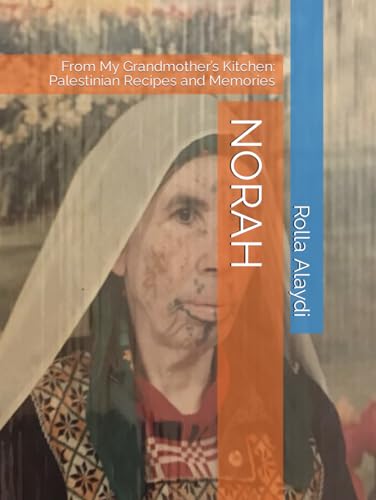
- Memoir blending Palestinian recipes with family memories
- Set in a Gaza refugee camp and centered on a grandmother
- Warm, reflective storytelling about heritage and empathy
Best For: Readers who want a family memoir with Palestinian food and memory
The Camp: Part 1

- Short Palestinian detective novel with suspense and atmosphere
- Set in a camp marked by loss, resistance, and uncertainty
- Quick 92-page read with teen-friendly reading age
Best For: Teens and adults wanting a short Palestinian suspense novel
Edited Anthology – The Story of a People
If you want translated Palestinian literature that showcases a wide range of voices, this anthology is a practical place to start. It gathers forty Palestinian poets within the Green Line and presents varied themes, tones, and styles in English, making it useful for readers who want both literary depth and a broader view of Arab life in Israeli-Palestinian societies.
Best For: Readers seeking a curated English-language introduction to Palestinian poetry, especially those interested in identity, resistance, and cultural breadth.
Pros:
- Includes works by forty poets, offering strong variety in voice and theme.
- Provides translated Palestinian literature focused on life within the Green Lines.
- Blends political, sensual, spiritual, humorous, and serious poetry.
- Suitable for readers wanting an anthology rather than a single-author collection.
Cons:
- As an anthology, it may feel less focused than a single-poet volume.
- The political and cultural context may be unfamiliar to some readers.
Overall, this is a strong option if you want an academically grounded, wide-ranging entry into translated Palestinian literature. Its value lies in the diversity of poets and perspectives packed into one English edition.
Darwish Collection – If I Were Another
For readers looking for translated Palestinian literature from one of the most celebrated modern Arab poets, this collection is an excellent choice. It brings together Mahmoud Darwish’s mature work from 1990 to 2005 in English translation, with language praised for capturing his lyric and epic range.
Best For: Readers who want a major Mahmoud Darwish collection and are comfortable with poetry that moves between personal feeling and collective history.
Pros:
- Collects Darwish’s work spanning 1990 to 2005.
- Winner of the PEN USA Literary Award for Translation.
- Translated by Fady Joudah, with praise for its clarity and fidelity.
- Explores exile, loss, identity, and the Palestinian struggle.
Cons:
- Poetry may be challenging for readers new to Darwish.
- The emotional and historical density may require close reading.
This is one of the most compelling translated Palestinian literature picks if you want a single, significant poet in a strong English edition. It stands out for both literary reputation and the scope of the poems included.
Classic Satire – The Secret Life of Saeed
If you want translated Palestinian literature with satire, tragedy, and political bite, this classic is worth a look. It follows Saeed, a Palestinian who becomes a citizen of Israel, and mixes fact and fantasy to show the absurdity and hardship of life under pressure.
Best For: Readers interested in a darkly comic Palestinian novel that balances absurdity, resistance, and survival.
Pros:
- Combines tragedy and comedy in a politically resonant narrative.
- Offers a memorable protagonist whose story reflects broader struggles.
- Translated from the Arabic by Salma Khadra Jayyusi and Trevor Le Gassick.
- Regarded as a contemporary classic.
Cons:
- The style blends fantasy and realism, which may not suit every reader.
- Older publication details may matter to readers seeking a modern edition.
This book is a standout choice if you want translated Palestinian literature that is as witty as it is serious. Its tragicomic approach makes it accessible while still carrying real historical and political weight.
YA Fantasy – Thunderbird: Book Two
For readers looking for translated Palestinian literature with a younger readership in mind, this fantasy sequel offers a different angle. It follows a Palestinian girl on a time-travel quest through Jerusalem during the Crusades, mixing magical adventure with real historical details and a rescue mission for books and manuscripts.
Best For: Middle-grade and early teen readers who want an adventurous story rooted in Palestinian history and folklore.
Pros:
- Combines fantasy, time travel, and Palestinian historical settings.
- Written for grades 6–8 and reading ages 11–13.
- Includes a strong preservation theme centered on books and manuscripts.
- Shortlisted for the 2023 Saif Ghobash Banipal Prize for Arabic Literary Translation.
Cons:
- It is Book Two in a trilogy, so context may be helpful.
- Readers seeking literary poetry or adult fiction may prefer a different title.
This is the most youth-oriented option in the group, but it still fits the translated Palestinian literature theme through its setting, themes, and translation recognition. It is a good pick for younger readers who want action, history, and cultural storytelling in one package.
Historical Testimony – Growing Up Palestinian
If you want translated Palestinian literature that also doubles as political and social reportage, Growing Up Palestinian is a strong fit. This translated account follows three young men shaped by the first and second intifadas, giving readers a ground-level view of life in the Occupied Territories from the mid-1980s onward.
Best For: Readers who want an intimate, unsentimental portrait of Palestinian life under occupation and the forces shaping a generation.
Pros:
- Draws on rare access to three militants and others around them.
- Blends social analysis with lived experience in camps, prisons, homes, and streets.
- Includes a new afterword on developments since the book’s original publication.
Cons:
- More analytical than a conventional narrative or novel.
- Focused on a specific historical and political context.
For buyers comparing translated Palestinian literature with strong documentary value, this book stands out for its intimacy and scope. It is best approached as a serious, context-rich work about conflict, youth, and daily survival rather than a light read.
Lyrical Fiction – Where the Bird Disappeared
Where the Bird Disappeared is a good choice if you want translated Palestinian literature that leans poetic rather than explanatory. Set around the Palestinian village of Zakariyya, it moves between the present and pre-1948 Palestine, using sensory detail and memory to build a layered sense of place.
Best For: Readers looking for a brief, lyrical novel about connection, dispossession, and the sacred geography of Palestine.
Pros:
- Rich sensory writing and a strong lyrical style.
- Connects contemporary village life with pre-1948 history.
- Compact length makes it approachable as a short literary read.
Cons:
- Its porous, memory-driven structure may feel elusive to some readers.
- Very short length may leave readers wanting more context.
This title suits readers who prefer literary atmosphere and symbolic depth over straightforward plot. Among translated Palestinian literature options, it offers a compact but resonant reading experience centered on place, memory, and loss.
Translated Short Stories – Gaza se Khat and Other Stories
Gaza se Khat and Other Stories by Ghassan Kanafani, Hindi Edition : Translated by Inam Nadeem
Check Price On AmazonIf you’re looking for translated Palestinian literature in Hindi, this collection brings Ghassan Kanafani’s stories into a new language for Urdu-speaking and Hindi-reading audiences alike. The supplied notes emphasize the enduring force of these stories, which present Palestinian experience through vivid scenes of bombing, destruction, refugees, hunger, and resistance.
Best For: Readers who want a Hindi translation of Kanafani’s Palestinian stories with strong emotional and historical weight.
Pros:
- Hindi edition translated by Inam Nadeem.
- Centers on classic Palestinian themes of exile, survival, and memory.
- Presented as a way to bring Kanafani’s work to new readers across language communities.
Cons:
- The supplied information does not identify the individual stories included.
- Readers seeking English text will need to note that this is a Hindi edition.
For a roundup of translated Palestinian literature, this edition stands out for accessibility in Hindi and for the continued relevance of Kanafani’s themes. It is a practical pick for readers interested in politically charged short fiction rooted in Palestinian struggle.
Documented Context – Palestine. A Chronicle of Genocide
If you want translated palestinian literature that also functions as a sourced political history, this book is aimed at readers who need clear context on the Israel–Palestine conflict. It traces events from political Zionism and the Nakba to Gaza 2023–2025, using public sources and first-hand testimony rather than vague summary.
Best For: Readers, journalists, educators, and activists who want a plain-spoken, documented account of Palestine and the conflict.
Pros:
- Uses verified dates and public sources, including UN/OCHA, HRW, and CPJ references.
- Includes a documented timeline from the roots of political Zionism to the Gaza war 2023–2025.
- Focuses on silenced voices, context, and the human cost of occupation and blockade.
- Written in English with a concise 157-page length for focused reading.
Cons:
- It is explicitly not a neutral treatment, so readers seeking detached framing may prefer another title.
- Its emphasis is historical and political rather than literary or narrative.
- Best suited to readers comfortable with hard-hitting conflict material.
As a buying choice, this is the strongest option here for readers who want a rigorously sourced, direct account rather than a softer overview. It is more analysis than literature, but it can still complement a collection centered on translated palestinian literature by adding essential background.
Kitchen Memoir – NORAH: From My Grandmother’s Kitchen
For readers interested in translated palestinian literature with warmth and memory, this memoir centers on a Gaza refugee camp kitchen and the lessons passed down through generations. It blends food, family storytelling, and childhood recollection into a reflective, intimate reading experience.
Best For: Readers who enjoy memoir, food writing, and family-centered Palestinian stories.
Pros:
- Combines Palestinian recipes and memories in a memoir format.
- Uses vivid, nostalgic storytelling rooted in a grandmother’s kitchen in a Gaza refugee camp.
- Emphasizes intergenerational wisdom, empathy, and compassion.
- Available in English with a manageable 141-page print length.
Cons:
- It is more memoir and food writing than traditional literary fiction.
- Readers looking for a highly structured cookbook may want more recipe detail than the notes provide.
- Its reflective style may not suit those seeking fast-paced narrative.
This is a strong pick if you want a personal, human-scale Palestinian book that feels intimate rather than analytical. It stands out for readers who value memory, family, and the everyday textures of life in Palestine.
Camp Mystery – The Camp: Part 1
If you are browsing translated palestinian literature for suspense rather than memoir or history, this detective novel offers a compact, dramatic look at life in a camp. The notes frame it as a story of pain, resilience, and tension between past oppression and an uncertain future.
Best For: Readers ages 14–18 and adults who want a short Palestinian suspense novel with a strong sense of place.
Pros:
- Presented as a Palestinian detective novel with suspense and excitement.
- Strong atmosphere built around camp life, demolished houses, and narrow alleyways.
- Short 92-page length makes it easy to finish quickly.
- Listed reading age of 14–18 broadens its appeal for teen readers.
Cons:
- The supplied notes are brief, so plot specifics are limited.
- Readers looking for a longer novel or deeper character detail may want more substance.
- Its style is more atmospheric teaser than detailed synopsis.
Overall, this is the best fit for buyers who want a short, intense Palestinian genre read. It may appeal especially to readers who prefer a suspense framework while still engaging with camp life and its emotional weight.
How We Picked the Best Translated Palestinian Literature
We focused on Translated Palestinian Literature that offers real value to readers: strong subject matter, literary quality, translation clarity, and range across genres. Our selection favors books that help you understand Palestinian experience through poetry, stories, memoir, and cultural reflection, rather than narrow or repetitive perspectives.
Quick Comparison
Use the list by reading goal. Choose poetry if you want condensed emotion and voice, fiction if you want narrative depth, memoir or chronicle for personal and historical context, and food or cultural writing if you want an accessible entry point. Some titles are better for experienced literary readers, while others work well for newcomers.
Key Buying Factors for Translated Palestinian Literature
Genre and Reading Purpose
Start with the format that matches your interest. Poetry often captures urgency and identity in compact form, while novels and story collections give more room for character and social context. Memoirs and chronicle-style works are useful if you want political and historical grounding.
Translation Quality and Edition Notes
In Translated Palestinian Literature, the translator’s choices shape rhythm, tone, and cultural nuance. Look for editions with clear translator credit, editorial notes, and, when available, contextual introductions that help explain references, dialect, or historical background.
Accessibility Versus Depth
Some books are emotionally immediate and easy to enter, while others reward slower reading. If you are new to the subject, start with a more accessible narrative or a mixed anthology. If you already read literary fiction or poetry regularly, you may prefer denser, more formally complex work.
Historical and Cultural Scope
Consider whether you want life inside Israel, the occupied territories, exile, family memory, or broader Palestinian identity. A good roundup should give you a balanced shelf: literature that reflects both personal experience and collective history.
Who Should Buy Which Translated Palestinian Literature?
Buy poetry collections if you want language-driven reading and a strong emotional impact in a shorter format. Choose novels and short stories if you prefer character, plot, and layered social insight. Memoir readers should look for books that foreground lived experience and historical testimony. If you want an approachable cultural entry point, recipe-and-memory titles can offer a gentler introduction to the world behind the literature.
For most readers, the best strategy is to mix one poetry title, one narrative title, and one historically grounded book. That gives you a fuller view of Translated Palestinian Literature without committing to a single style or perspective.