Palestinian stories for children can open the door to heritage, language, and belonging in a way that feels warm and memorable. Whether you want a read-aloud for home, a classroom addition, or a gift with cultural value, these books offer a strong starting point.
This roundup focuses on titles that highlight family, folklore, identity, and everyday life, helping readers connect with Palestinian culture through age-appropriate storytelling and art.
Best 10 Palestinian Culture Books for Children Picks for 2026
We Are Palestinian: A Celebration of Culture and Tradition

- Nonfiction overview of Palestinian food, music, literature, and traditions
- Beautiful illustrations and accessible spreads with facts and anecdotes
- Reading age listed as 6+ years
Best For: Families and educators seeking a rich cultural introduction for kids
Homeland: My Father Dreams of Palestine

- Picture book centered on father-daughter storytelling and memory
- Sensory details bring Jerusalem and family history to life
- Strong fit for diaspora, home, and identity themes
Best For: Families wanting a heartfelt read-aloud about homeland and memory
A Map for Falasteen: A Palestinian Child's Search for Home

- Story about a child unable to find Palestine on a map
- Family conversations help explain history and belonging
- Includes back matter with key terms and historical moments
Best For: Readers seeking a gentle story about home, maps, and identity
Baba, What Does My Name Mean? A Journey to Palestine

- Lyrical story built around a child asking about her name
- Celebrates Palestinian heritage and the wish to return
- Reading age listed as 3–8 years
Best For: Young children who enjoy poetic read-alouds about identity and family
Sitti’s Bird: A Gaza Story

- Written and illustrated by Malak Mattar
- Shows childhood in Gaza through a personal story
- Uses painting as a path to hope and healing
Best For: Families and educators seeking a gentle, meaningful picture book about Palestinian childhood
My Name Is Palestine

- 24-page superhero-style picture book
- Centers Palestinian identity and a free Palestine message
- Uses a magical eye and treasure chest premise
Best For: Readers who want a brief, symbolic, message-forward children’s book
Tunjur! Tunjur! Tunjur!: A Palestinian Folktale
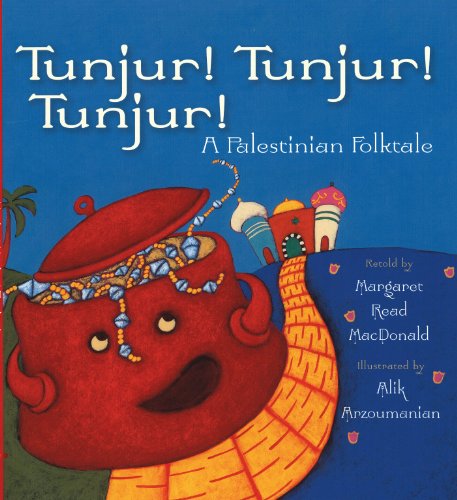
- Retelling of a Palestinian folktale
- Rhythmic refrain makes it fun to read aloud
- Clear lesson about taking things that don’t belong
Best For: Parents and teachers who want a traditional Palestinian folktale with an easy moral
My ABC's of Palestine
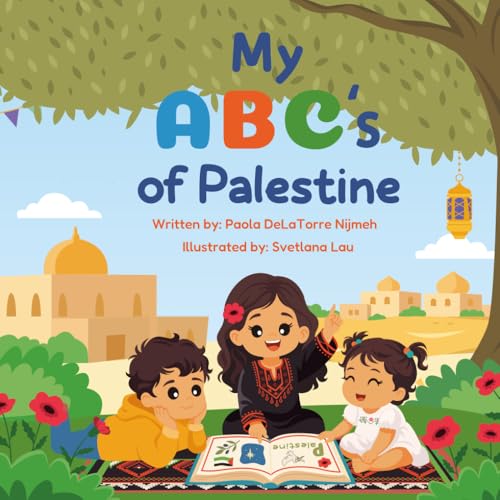
- Bilingual Arabic-English alphabet book
- Covers foods, traditions, and daily life
- Includes glossary and educator notes
Best For: Toddlers and preschoolers ages 2–6 learning letters and Palestinian culture
This is My Keffiyeh

- Bilingual Arabic-English with Harakat
- Poetic story about identity and belonging
- Dreamy illustrations inspired by Palestine
Best For: Ages 3–8, especially bilingual families and heritage-focused read-alouds
Palestine On the Moon
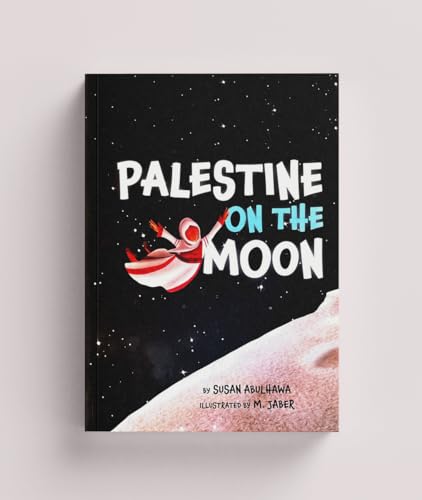
- Picture book about Palestine, family, and imagination
- Large 52-page format for shared reading
- Good for bedtime, classrooms, and libraries
Best For: Ages 4–10 and mixed-age family or classroom read-alouds
Culture & Heritage Guide – We Are Palestinian: A Celebration of Culture and Tradition
If you’re looking for palestinian culture books for children, this nonfiction title is a strong pick for introducing heritage in a vivid, accessible way. It covers food, music, literature, tatreez embroidery, Dabke, old cities, religion, and more, with a format designed to be visually engaging for young readers.
Best For: Families, educators, and caregivers who want a rich, fact-filled introduction to Palestinian culture for children ages 6+.
Pros:
- Covers a wide range of Palestinian culture, from food and dance to symbols and poetry
- Includes anecdotes, facts, and memorable quotes across every spread
- Beautifully illustrated by Noha Eilouti
- Explicitly positioned as accessible and inspiring for young readers
Cons:
- Best suited to readers ready for nonfiction and cultural detail rather than a simple story
- Reading age is listed as 6+ years, so it may be too advanced for younger toddlers
This is the kind of book that works well when you want both celebration and substance. Its mix of illustrations, facts, and cultural touchpoints makes it a practical choice for home reading or classroom shelves.
Story of Home – Homeland: My Father Dreams of Palestine
For shoppers comparing palestinian culture books for children, this picture book stands out for its emotional, family-centered look at homeland and memory. A father shares stories of Jerusalem with his daughters, turning bedtime into a gentle way to learn about Palestine through lived experience and family history.
Best For: Families who want a moving read-aloud about Palestine, diaspora, and the love of home.
Pros:
- Grounded in a father-daughter storytelling tradition
- Brings the Old City of Jerusalem to life through sensory details
- Explores diaspora, memory, and longing in a child-friendly way
- Includes heartfelt illustrations by Reem Madooh
Cons:
- More reflective and emotional than a straightforward fact book
- The theme of loss and separation may feel heavy for some readers
This title is especially useful if you want a book that connects culture with family storytelling rather than broad reference-style coverage. It’s a warm, intimate choice for bedtime reading and meaningful discussion.
Map & Identity Choice – A Map for Falasteen: A Palestinian Child's Search for Home
This is a thoughtful option if you want palestinian culture books for children that speak directly to identity and belonging. In this story, Falasteen cannot find Palestine on a school map, and the book uses family conversations to help her understand her homeland, history, and place in the world.
Best For: Young readers and families looking for a gentle, heartfelt story about maps, home, and Palestinian identity.
Pros:
- Addresses a child’s confusion about not finding Palestine on a map
- Uses family storytelling to explain home, history, and resilience
- Includes thoughtful back matter with key terms and historical moments
Cons:
- Primarily an emotional and explanatory picture book, not a broad culture survey
- Best appreciated by readers interested in home, identity, and diaspora themes
The book’s strength is its gentle, personal approach to a difficult question. It gives parents and educators a clear opening for conversations about geography, identity, and what home means.
Name & Heritage Pick – Baba, What Does My Name Mean? A Journey to Palestine
Among palestinian culture books for children, this lyrical picture book is a good fit when you want a story that links personal identity to homeland and heritage. Saamidah asks about the meaning of her name, and the answer becomes a dreamlike journey that celebrates Palestine and the determination to return.
Best For: Children ages 3 to 8 who enjoy imaginative read-alouds about names, family, and Palestinian heritage.
Pros:
- Centers a child’s question about her name and identity
- Uses lyrical language and dazzling illustrations
- Highlights cultural heritage and connection to Palestine
- Designed for young listeners with a 3–8 reading age range
Cons:
- More poetic and imaginative than informational
- Families seeking a broad cultural overview may want a more nonfiction-focused companion book
This book works especially well as a read-aloud because it ties a personal question to a wider sense of place and belonging. It’s a strong choice if you want a tender, visual story with clear cultural roots.
Hopeful Gaza Story – Sitti’s Bird: A Gaza Story
If you’re comparing palestinian culture books for children, Sitti’s Bird: A Gaza Story is a gentle picture book that blends everyday childhood moments in Gaza with a moving story of fear, art, and resilience. It follows Malak, a young girl who loves school, the ocean, and visits to Sitti’s house, then shows how painting helps her cope during the 2014 airstrikes.
Best For: Families and educators looking for a sensitive picture book about Palestinian childhood, family life, and creative healing.
Pros:
- Written and illustrated by Palestinian artist Malak Mattar.
- Grounded in a child’s lived experience in Gaza.
- Uses art as a hopeful, age-appropriate theme.
- Short 32-page format works well for young readers.
Cons:
- Focuses on wartime trauma, which may feel heavy for some children.
- Best suited to early elementary ages rather than older readers.
This is a thoughtful choice if you want a children’s book that introduces Palestinian life through a personal, emotionally accessible story. Its strength is the balance of warmth, family, and hope without losing sight of the realities it depicts.
Superhero Pick – My Name Is Palestine
For shoppers browsing palestinian culture books for children, My Name Is Palestine offers a simple, imaginative superhero story with a clear pro-Palestinian message. The book follows a Palestinian superhero with a magical eye who discovers a treasure chest and the return key, then uses that power to help all the children share the same vision of a free Palestine.
Best For: Readers who want a brief, direct, and symbolic picture book centered on Palestinian identity and activism.
Pros:
- Short 24-page format is easy to read aloud.
- Uses a superhero concept that may appeal to young children.
- Centers Palestinian identity in a simple, memorable way.
- Independent publication gives it a distinctive voice.
Cons:
- Very limited length means less narrative depth.
- Theme is more symbolic and message-driven than story-rich.
This is a compact option if you want a children’s book that states its message plainly and uses fantasy elements to keep it accessible. It fits best as a conversation starter rather than a layered folktale or character study.
Folktale Classic – Tunjur! Tunjur! Tunjur!: A Palestinian Folktale
If you want palestinian culture books for children rooted in storytelling tradition, Tunjur! Tunjur! Tunjur!: A Palestinian Folktale is a lively retelling built around a memorable, rhythmic refrain. The story follows a little pot-child who runs off with things that do not belong to her and learns a lesson the hard way, making it a straightforward moral tale for young listeners.
Best For: Parents and teachers looking for a playful folktale that introduces Palestinian storytelling and a clear lesson about right and wrong.
Pros:
- Based on a Palestinian folktale with a strong oral-story feel.
- Rhythmic title and repetition make it fun to read aloud.
- Clear moral about respecting what belongs to others.
- Age range and 32-page length suit preschool and early elementary readers.
Cons:
- The lesson-driven plot is simpler than a character-focused story.
- Children looking for modern Palestinian life may find it more traditional than contemporary.
This book works well when you want a culturally rooted story that is easy to share aloud and easy for children to follow. Its strength is its folktale format: accessible, memorable, and firmly centered on Palestinian tradition.
Alphabet & Heritage Starter – My ABC's of Palestine
If you’re looking for palestinian culture books for children that also support early literacy, My ABC’s of Palestine is a practical pick. This bilingual Arabic-English alphabet book uses bright illustrations, rhymes, and cultural vocabulary to introduce letters alongside familiar themes like family, food, traditions, and daily life.
Best For: Parents, teachers, and caregivers of toddlers and preschoolers ages 2–6 who want a bilingual alphabet book centered on Palestinian heritage.
Pros:
- Bilingual Arabic-English alphabet format for early language exposure
- Includes cultural vocabulary tied to Palestinian foods, traditions, and everyday life
- Bright full-color illustrations designed to hold young children’s attention
- Helpful glossary and educator notes add teaching value
Cons:
- Focused on alphabet learning, so it is less story-driven than a picture book
- Best suited to younger children rather than older elementary readers
Overall, this is a strong choice if you want a simple, engaging first book that pairs early literacy with cultural learning. It’s especially useful for bilingual homes, classrooms, and gift-giving for young children.
Identity & Storytime Pick – This is My Keffiyeh
Among palestinian culture books for children, This is My Keffiyeh stands out for its gentle focus on identity, belonging, and cultural pride. This bilingual Arabic-English story follows a child and their keffiyeh through imagery of olive trees, golden fields, and starry skies, making it a calm, thoughtful option for early readers.
Best For: Bilingual families, educators, and caregivers looking for a soft, poetic Palestinian heritage story for ages 3–8.
Pros:
- Bilingual Arabic and English text with Harakat vowel markings
- Dreamy, painterly illustrations inspired by the Palestinian countryside
- Simple sentences that work well for toddler-friendly read-alouds
- Supports conversations about heritage, home, and identity
Cons:
- More reflective than action-driven, so it may feel slow for some children
- Best suited to families seeking cultural themes over a plot-heavy story
This book is a good fit if you want a visually soothing, language-accessible read that introduces Palestinian heritage in a warm and age-appropriate way. It also works well for gifting and classroom diversity collections.
Imagination & Family Story – Palestine On the Moon
Palestine On the Moon: A Children’s Picture Book About Palestine, Family, Culture, and Imagination
Check Price On AmazonIf you want palestinian culture books for children that lean into wonder as well as heritage, Palestine On the Moon is an appealing option. This beautifully illustrated picture book introduces Palestine through family, culture, imagination, and a sense of hope, making it suitable for bedtime reading and classroom discussions alike.
Best For: Families, teachers, and libraries seeking a larger-format picture book about Palestine for children ages 4–10.
Pros:
- Combines imagination, adventure, family, and cultural pride
- Large 11 x 8 inch trim size with 52 pages for picture-book reading
- Works for both home reading and multicultural classroom use
- Written for a broad age range, from preschool through elementary
Cons:
- No bilingual text is mentioned in the supplied details
- Broader age range may make it less focused for very young toddlers
This is a strong pick if you want a more expansive picture book that blends cultural connection with imagination. It’s especially useful when you want a story that can be shared by children and adults together.
How We Picked the Best Palestinian Culture Books for Children
We looked for Palestinian Culture Books for Children that feel authentic, accessible, and useful for different ages. Selection favored clear storytelling, cultural detail, positive representation, and formats that work well for read-alouds, independent early reading, and shared family reading.
Quick Comparison
Some of these titles are best for very young children and early exposure to names, symbols, and heritage. Others lean more into folktale, family memory, or identity-centered storytelling. A few are especially helpful for bilingual learning, while others work best as conversation starters about home, place, and belonging.
Key Buying Factors for Palestinian Culture Books for Children
Age and Reading Level
Picture books and simple text are ideal for preschool and early elementary readers. Older children may connect more with layered themes such as displacement, memory, and cultural identity.
Language and Accessibility
If you want support for Arabic exposure, look for bilingual or culturally specific vocabulary. For younger children, clear text and rhythmic language can make repeated reading easier.
Cultural Focus
Some books emphasize folklore and traditions, while others center family, heritage, or personal identity. Choose the angle that best matches your goals, whether that is cultural celebration, classroom discussion, or bedtime reading.
Illustration Style and Tone
For young readers, visuals matter. Warm, expressive art can help children absorb setting, clothing, food, and daily life details without feeling overwhelmed.
Who Should Buy Which Palestinian Culture Books for Children?
Parents introducing heritage at home may want titles that celebrate names, family, and tradition. Educators often benefit from books that invite discussion about culture and identity. Gift buyers may prefer a standout picture book with broad age appeal or a bilingual option that adds long-term value. For families building a shelf of Palestinian Culture Books for Children, the strongest approach is to mix easy read-alouds, folklore, and identity-focused stories so children can revisit the topic from different angles.
If you are choosing just one, start with the book that best matches the child’s age and the conversation you want to have. From there, adding a second title with a different tone or format can create a more complete and engaging collection.