Palestinian poetry offers some of the most urgent and moving writing of our time—intimate, political, lyrical, and deeply human. If you’re looking for a Palestinian poems book that goes beyond headlines, the right collection can open a fuller view of lived experience.
This roundup highlights 10 standout books for readers who want poetry that reflects history, displacement, resilience, and cultural memory in compelling ways.
Best 10 Palestinian Poems Book Picks for 2026
Rifqa

- Family-centered poems rooted in Palestinian exile
- Direct, sharply political voice
- Compact 100-page debut collection
Best For: Readers who want a focused, politically charged poetry collection rooted in family history and Palestinian resilience.
Born Palestinian, Born Black

- Restored edition of Suheir Hammad’s first poetry book
- Adds new poems, preface, and critical notes
- Concise 95-page volume
Best For: Readers who want an influential Palestinian/diaspora poetry collection with added new material and commentary.
You Must Live
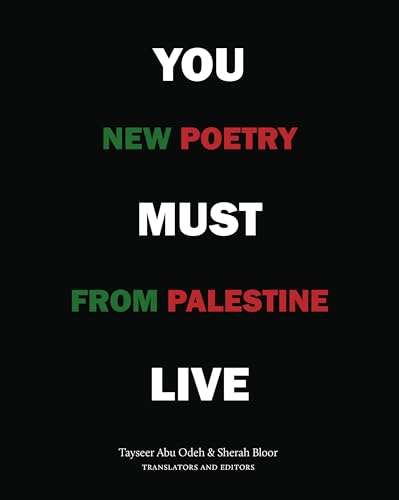
- Bilingual anthology of recent poetry from Palestine
- Voices from Gaza and the West Bank
- Substantial 320-page collection
Best For: Readers seeking a bilingual, contemporary anthology of recent Palestinian poetry from Gaza and the West Bank.
The Tent Generations

- Anthology spanning multiple generations and regions
- Focuses on shared Palestinian identity and displacement
- English edition with accessibility features
Best For: Readers who want a broad anthology of Palestinian poetry across generations, geographies, and educational backgrounds.
Enemy of the Sun: Palestinian Resistance Poetry

- Updated edition of a landmark 1970 anthology
- New translations by Edmund Ghareeb
- Foreword by Dr. Greg Thomas
Best For: Readers seeking a historically significant, activist-minded anthology
Palestine Will Be Free

- Short 54-page poetry collection
- Centers Gaza, occupation, and justice
- Accessible English ebook format
Best For: Readers wanting a brief, topical poetry collection
Heaven Looks Like Us: Palestinian Poetry

- 368-page anthology with many well-known voices
- Mixes resistance, queer, feminist, and eco-poetry
- Published by Haymarket Books
Best For: Readers wanting a wide-ranging contemporary anthology
Poems of a Palestinian Boyhood
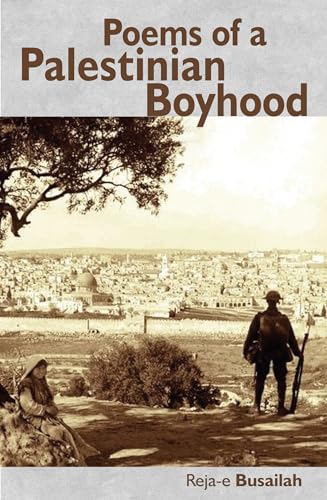
- Personal recollection of boyhood in 1930s Palestine
- Covers the upheaval of 1948 and forced displacement
- Short 150-page volume with a raw, detailed voice
Best For: readers who want a memoir-like, historically grounded Palestinian poems book
The Palestinian Wedding

- Bilingual English and Arabic poetry collection
- Anthology format for contemporary Palestinian voices
- Substantial 249-page reading experience
Best For: readers who want a bilingual Palestinian poems book
Don’t Forget Palestine
- Poems and reflections on life, loss, and hope
- Themes include justice, faith, resistance, and love
- Framed as a witness to grief and resilience
Best For: readers who want a reflective Palestinian poems book about grief and hope
Revolutionary Family Memoir – Rifqa
If you want a Palestinian poems book that blends intimate family memory with direct political force, Rifqa is a sharp, compact debut. Mohammed El-Kurd writes from the perspective of his grandmother’s life in Haifa and his family’s present-day dispossession in Sheikh Jarrah, using poems that connect personal inheritance to the larger history of the Nakba.
Best For: Readers who want a focused, politically charged poetry collection rooted in family history and Palestinian resilience.
Pros:
- Centers Rifqa, an older-than-Israel grandmother who embodies Palestinian endurance
- Links exile from Haifa to dispossession in Sheikh Jarrah with clear moral urgency
- Short 100-page collection makes it accessible as a quick but substantial read
Cons:
- Its strong political stance may not suit readers seeking a neutral or purely lyrical collection
- The brief length limits the number of poems included
Overall, Rifqa is best chosen for its forceful voice and tightly drawn family narrative. It is a strong fit if you want Palestinian poetry that is both personal and openly revolutionary.
Reissued Diaspora Classic – Born Palestinian, Born Black
For shoppers looking for a Palestinian poems book with a strong diasporic voice, Born Palestinian, Born Black: & The Gaza Suite offers a restored edition of Suheir Hammad’s first collection. This edition adds a new author’s preface, new poems under The Gaza Suite, and extra contextual material, making it a practical choice if you want a landmark book presented with updated framing.
Best For: Readers who want an influential Palestinian/diaspora poetry collection with added new material and commentary.
Pros:
- Reprints Suheir Hammad’s first book of poems in a restored edition
- Includes a new preface, new poems, and added introductions/afterword for context
- Short 95-page format is easy to read or assign
Cons:
- At 95 pages, it is a relatively slim collection
- Readers wanting only the original 1996 text may prefer the earlier edition
This is a strong pick if you want a foundational collection that has been refreshed with useful extras. It works especially well as a concise entry point into Palestinian poetry across identity, memory, and displacement.
Bilingual Contemporary Anthology – You Must Live
If you need a Palestinian poems book that captures contemporary writing from within Gaza and the West Bank, You Must Live: New Poetry from Palestine is a strong anthology to consider. This bilingual collection gathers recent poems translated from Arabic and edited from voices largely still living in Palestinian territory, so it offers direct access to current artistic expression shaped by urgent realities.
Best For: Readers seeking a bilingual, contemporary anthology of recent Palestinian poetry from Gaza and the West Bank.
Pros:
- Bilingual edition translated from Arabic
- Collects recent poetry from Gaza and the West Bank, mostly by poets still living there
- Wide emotional range, including prayerful, theatrical, humorous, and elegiac poems
- Substantial 320-page length provides a fuller anthology experience
Cons:
- Publication date is listed as 2025, so availability may be more limited than older titles
- Readers seeking a single-author collection may prefer a more focused book
As an anthology, this volume is especially useful if you want breadth, immediacy, and a sense of current Palestinian poetic conversation. It stands out for combining accessibility in English with the texture of recent work from the region.
Broad Historical Anthology – The Tent Generations
For readers comparing a Palestinian poems book that spans generations and locations, The Tent Generations: Palestinian Poems offers a wide-ranging anthology built around different age groups and backgrounds. The collection emphasizes shared Palestinian identity across poets in Israel, the West Bank, Gaza, and the diaspora, making it useful if you want a historical and cultural overview rather than one single voice.
Best For: Readers who want a broad anthology of Palestinian poetry across generations, geographies, and educational backgrounds.
Pros:
- Includes poets from Israel, the West Bank, Gaza, and the diaspora
- Frames poems around the shared experience of Palestinian-ness and displacement
- Draws on a range of well-known poets and generational perspectives
- English-language edition with accessibility features listed
Cons:
- Does not include folkloric oral poetry in Palestinian dialect
- As a broad anthology, it may feel less intimate than a single-author collection
This is the best option here if you want range, context, and an overview of how Palestinian poetry reflects history and exile. It reads more like a curated literary map than a narrow themed collection.
Classic Resistance Anthology – Enemy of the Sun: Palestinian Resistance Poetry
If you’re looking for a Palestinian poems book with historical weight and activist relevance, this updated edition is a strong place to start. It gathers 12 poets in a collection first published in 1970, and the new edition adds fresh translations and a foreword that connects the poems to today’s readers.
Best For: Readers who want a historically important anthology tied to liberation movements and anti-colonial struggle.
Pros:
- Updated edition with new poems translated by Edmund Ghareeb.
- Includes a new foreword by Dr. Greg Thomas.
- Connects Palestinian resistance poetry to global solidarity movements.
- 272-page English edition from Seven Stories Press.
Cons:
- Its political focus may be too specific for readers wanting lighter lyric poetry.
- The material is rooted in a historical anthology rather than a broad contemporary survey.
This is the kind of collection that suits readers who want poetry with clear historical context and a strong political edge. It is especially compelling if you want a book that has already carried significance across generations of activists.
Compact Current-Affairs Poetry – Palestine Will Be Free
This Palestinian poems book is a compact option for readers who want direct, urgent writing centered on current events and human-rights concerns. The collection frames poetry around the Gaza crisis, occupation, and calls for awareness, making it a straightforward pick if you want a brief book with a clear political message.
Best For: Readers who want a short, explicit poetry collection focused on the Gaza war and Palestinian suffering.
Pros:
- Very short read at 54 pages.
- Focuses directly on Gaza, occupation, and calls for justice.
- English ebook with screen reader support and enhanced typesetting.
- Plain, accessible format for quick reading.
Cons:
- Limited length means less range and depth than a full anthology.
- The content is highly issue-specific rather than broadly literary.
Choose this if you want a concise, activism-oriented poetry book that is easy to finish in one sitting. It works best as a topical read rather than a comprehensive introduction to Palestinian poetry.
Broad Contemporary Anthology – Heaven Looks Like Us: Palestinian Poetry
If you want a Palestinian poems book that blends resistance with a wider range of voices and themes, this anthology offers the broadest scope of the three. It brings together established and emerging poets, while also including queer, feminist, eco-poetic, and love-centered work alongside anti-colonial writing.
Best For: Readers looking for a contemporary anthology with multiple perspectives, including resistance, love, feminism, and queer voices.
Pros:
- Large 368-page anthology from Haymarket Books.
- Includes major names like Mahmoud Darwish, Naomi Shihab Nye, and Refaat Alareer.
- Balances political urgency with themes of love, time, and identity.
- Bridges generations, languages, and anti-colonial perspectives.
Cons:
- Its range may feel less focused if you only want strictly resistance-centered poetry.
- As an anthology, the experience will vary from poem to poem.
This is a strong choice if you want breadth as well as depth in a modern Palestinian poetry collection. It stands out for showing how political struggle and personal expression can coexist in one volume.
Memoir & Historical Memory – Poems of a Palestinian Boyhood
If you want a Palestinian poems book that also carries lived history, Poems of a Palestinian Boyhood is a distinctive choice. Reja-e Busailah looks back on childhood in a small Palestinian town in the 1930s and the upheaval of 1948, blending personal memory with the realities of education, family, disability, and displacement.
Best For: Readers who want a memoir-like, reflective Palestinian poems book rooted in personal and historical experience.
Pros:
- Combines boyhood memories with the major historical rupture of 1948.
- Written with detailed recollection and a raw, unflinching tone.
- Offers a personal perspective shaped by education, family, and exile.
- Compact 150-page format makes it approachable.
Cons:
- More memoir and recollection than a broad poetry anthology.
- Its historical focus may feel intense for casual readers.
This is a strong pick if you want a Palestinian poems book that feels intimate, historical, and deeply personal rather than purely literary. It stands out for readers who value lived testimony alongside poetic reflection.
Bilingual Anthology – The Palestinian Wedding
If you’re shopping for a Palestinian poems book with a wider range of voices, The Palestinian Wedding is a practical anthology to consider. This bilingual collection presents contemporary Palestinian poetry in both English and Arabic, making it useful for readers who want to compare languages or share the poems across audiences.
Best For: Readers looking for a bilingual Palestinian poems book that presents contemporary work in English and Arabic.
Pros:
- Bilingual English and Arabic edition supports side-by-side reading.
- Anthology format offers a broader contemporary poetry selection.
- 249 pages provides a substantial reading experience.
- Useful for readers interested in translation and language comparison.
Cons:
- Less focused on a single author’s voice or narrative arc.
- Anthology structure may not suit readers seeking one continuous story.
For buyers who want variety and bilingual presentation, this is one of the most versatile options in the Palestinian poems book category. It works especially well if you want both literary access and language accessibility.
Poetry of Witness – Don’t Forget Palestine
For shoppers seeking a Palestinian poems book centered on emotion and reflection, Don’t Forget Palestine: Poems on Palestinian Life, Loss, and Hope offers a direct, contemporary voice. Samir Shams writes about grief, justice, love, faith, resistance, and hope, with the collection framed as both a witness to pain and a reminder of human dignity.
Best For: Readers who want a reflective Palestinian poems book focused on grief, justice, faith, and hope.
Pros:
- Addresses Palestinian life, loss, and hope in clear, emotional language.
- Touches on humanity, grief, justice, love, faith, and resistance.
- Offers a reflective and spiritually aware perspective.
- Positions the poems as both witness and reminder.
Cons:
- Emotionally heavy subject matter may not suit light reading.
- More reflective than formally experimental, based on the description.
This is a compelling choice if you want a Palestinian poems book that leans into witness, feeling, and resilience. It should appeal to readers who want poetry that is both personal and socially conscious.
How We Picked These Palestinian Poems Books
We focused on collections that are meaningful for readers searching for a Palestinian Poems Book with strong literary value, cultural relevance, and accessible presentation. Priority went to books that offer a clear poetic voice, a thoughtful thematic range, and lasting reader interest.
We also looked for variety: contemporary voices, resistance poetry, bilingual editions, and collections centered on boyhood, exile, grief, and survival. That mix helps buyers choose a book that fits their purpose, whether they want an introduction to the field or a more focused reading experience.
Quick Comparison
For a broad, contemporary entry point, newer anthologies and recent collections tend to feel most immediate. If you want historical context or foundational voices, classic resistance poetry collections are often the best starting place. Readers who value accessibility may prefer a bilingual or narrative-driven edition, while those seeking emotional depth may gravitate toward memoir-inflected poetry and intimate personal collections.
Key Buying Factors for a Palestinian Poems Book
Theme and Perspective
Some books emphasize political witness, while others lean into family, place, grief, hope, or childhood. Decide whether you want a direct engagement with conflict or a more personal literary window into Palestinian life.
Translation and Language
If the edition includes Arabic and English, translation quality and formatting matter. Bilingual editions can deepen the reading experience, but some readers may prefer a fluent English-only collection for ease and flow.
Poetic Style
Styles can range from stark and spare to lyrical and expansive. If you are buying a Palestinian Poems Book for a first-time poetry reader, look for collections with clear emotional access and strong readability.
Purpose of the Purchase
Are you buying for study, gifting, personal reflection, or building a poetry shelf? A widely recognized anthology may suit classroom use, while a more intimate collection may be better for a meaningful gift.
Who Should Buy Which Palestinian Poems Book?
New readers should start with approachable contemporary collections that balance beauty and context. Readers interested in political history may prefer resistance-focused books with sharper public themes. If you want depth and variety, an anthology or bilingual edition is often the most versatile choice.
For gifts, choose a title with broad emotional resonance and strong visual presentation. For serious poetry fans, look for collections that offer a distinct voice and a strong contribution to modern Palestinian literature.